

Richelieu Rock
Similan Islands & Khao Lak, Thailand
Schools of chevron barracuda overhead while tigertail seahorses, harlequin shrimps and ghost pipefish hide in fields of soft coral.
- Advanced
- Wall
- Whale sharks
Dark: peak season. Light: regularly seen.
| Destination | Jan | Feb | Mar | Apr | May | Jun | Jul | Aug | Sep | Oct | Nov | Dec |
|---|---|---|---|---|---|---|---|---|---|---|---|---|
| MoalboalPeak All year | ||||||||||||
| Cayman IslandsPeak Apr–Sep | ||||||||||||
| Ogasawara IslandsPeak Jun–Nov | ||||||||||||
| Bali & Nusa PenidaPeak Jul–Nov | ||||||||||||
| Cape Town & False BayPeak Mar–Jun | ||||||||||||
| KentingPeak Jun–Aug | ||||||||||||
| AlorPeak Sep | ||||||||||||
| Bohol & PanglaoAll year | ||||||||||||
| MaldivesAll year | ||||||||||||
| PalauAll year | ||||||||||||
| RéunionAll year | ||||||||||||
| Sipadan & SempornaDec–Oct | ||||||||||||
| GalápagosJul–Dec | ||||||||||||
| Cancún & Isla MujeresNov–Mar | ||||||||||||
| U.S. Virgin Islands (St. Croix & St. Thomas)Mar–Jun | ||||||||||||
| BelizeMay–Jul | ||||||||||||
| Cabo de Palos & Islas HormigasAug–Oct | ||||||||||||
| Côte Vermeille (Banyuls & Collioure)Jun–Aug | ||||||||||||
| Florida KeysJun–Aug | ||||||||||||
| KomodoJul–Sep |
Sources confirm them, but don't say in which months.
A large shoal protects its members from individual attacks, its synchronised movements make it hard for a predator to pick out one fish, and many eyes give an immediate response to danger. Swimming in a group also reduces water resistance, so each fish uses less energy. Predators school too: tuna can encircle small fish to limit their escape.1
The great barracuda can grow to over 5 feet and 100 pounds; it is usually solitary but sometimes gathers in small groups over reefs and sand. The bigeye trevally, a jack, reaches 120 cm and is often seen in large daytime schools, spreading out alone at night to feed.3,4
Great barracuda occur worldwide in nearshore tropical and subtropical seas, on coral reefs, seagrass and mangroves, and at times down to 100 m. Bigeye trevally are reef-associated fish found from the surface to about 146 m.3,4
One seasonal event is South Africa's sardine run, when large shoals of sardines (Sardinops sagax) enter southern KwaZulu-Natal waters in June or July. Common dolphins arrive with the run, and sharks such as copper, dusky, blacktip and spinner sharks pursue the shoals.2
The bigeye trevally is listed as Least Concern on the IUCN Red List (assessed 2018), and the Florida Museum notes that the great barracuda is not listed by the IUCN as endangered or vulnerable.3,4
Tuna vary by species. At the 2021 IUCN update, the Atlantic bluefin, yellowfin and albacore tunas were moved to Least Concern, and the southern bluefin improved from Critically Endangered to Endangered.5
Barracuda are inquisitive and sometimes follow snorkellers and divers, but attacks on people are rare. The Florida Museum says most happen when a barracuda goes after a speared fish or mistakes a shiny object, such as a dive knife, for prey.3
Sources checked on 28 October 2026. Written from these pages and checked by an independent second reader.
Similan Islands & Khao Lak, Thailand
Schools of chevron barracuda overhead while tigertail seahorses, harlequin shrimps and ghost pipefish hide in fields of soft coral.
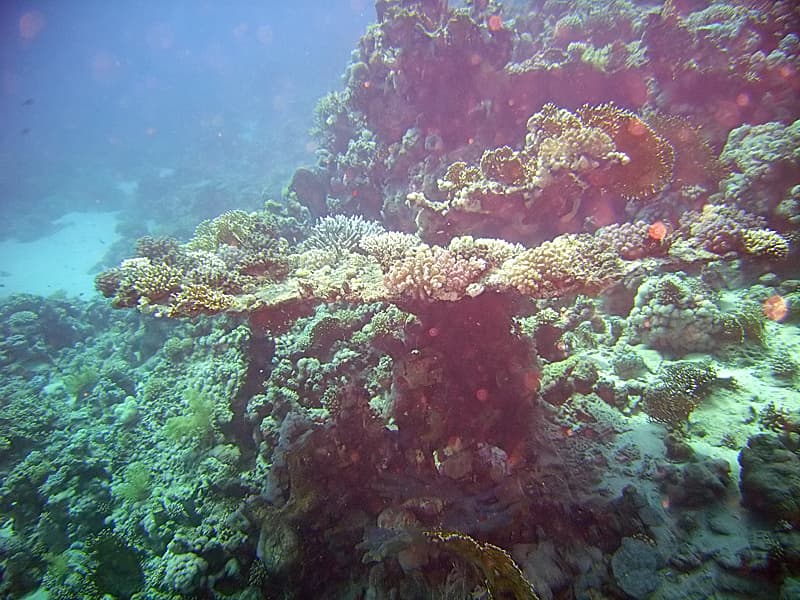
Sharm El Sheikh & Ras Mohammed, Egypt
Ras Mohammed drift with sunlit swim-throughs at 5 and 15 m, then an alley of jackfish and whitetip reef sharks.

Komodo, Indonesia
Tiny Central Komodo rock pinnacle with clouds of anthias, bigeye trevally and sweetlips, whitetips on the deeper slopes and common hawksbill turtles.

Bonaire
A 1984 cargo-ship wreck lying on its starboard side on a 30 m sandy plateau, its holds reachable through large openings.

Sharm El Sheikh & Ras Mohammed, Egypt
WWII supply ship bombed on 6 October 1941; holds still carry Bedford trucks and Norton and BSA motorcycles.
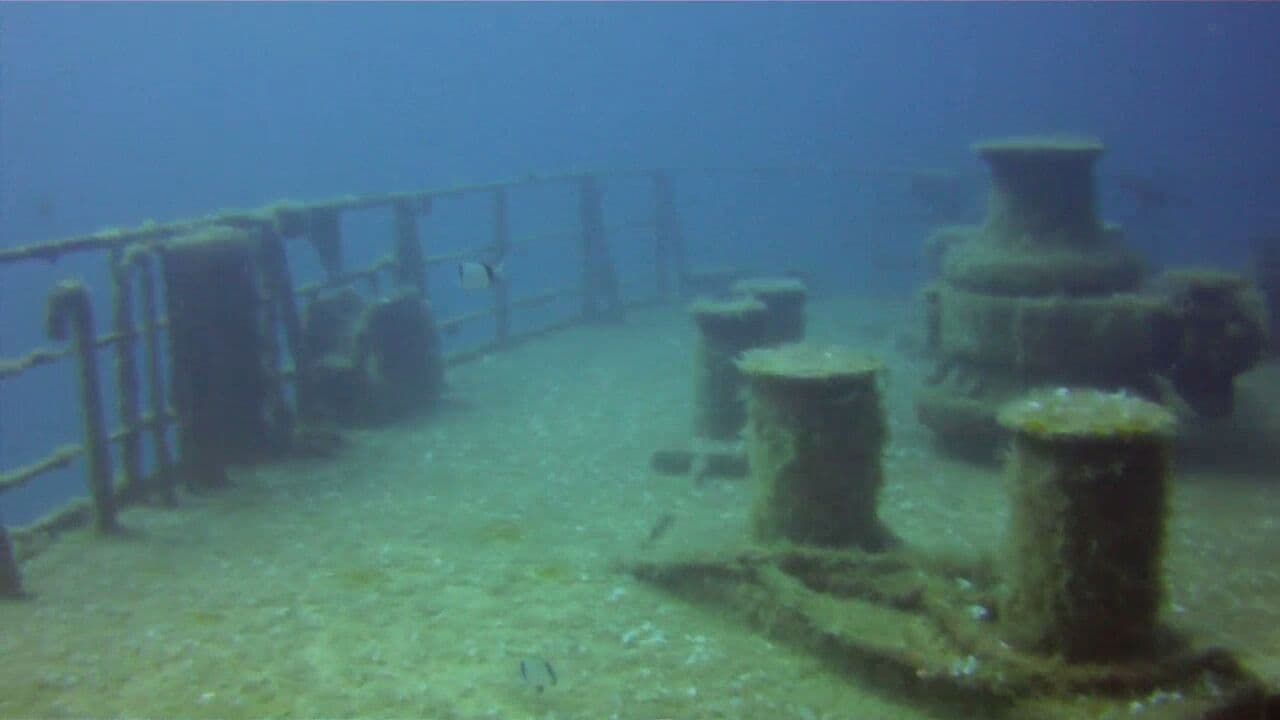
Malta, Gozo & Comino, Malta
Called the best recreational wreck dive in Malta, it sits upright off Wied iż-Żurrieq from 15 m at the funnel to 36 m at the propeller.

SS Yongala (Townsville), Australia
Sunk by a cyclone in March 1911, the wreck lies on a 30 m seabed with its upper parts at 16 m; penetration diving is prohibited by law.

Palau
Hook in above the wall and watch resident grey and whitetip reef sharks, tuna and barracuda work the current.

Guam
A vertical shaft from 18 m with a window onto the wall at about 40 m, and visibility that can reach 30 m or more.

Puerto Rico
A collapsed military pier at Crash Boat Beach, great for critter spotting day and night: frogfish, seahorses, turtles, tarpon.

Dahab, Egypt
Drop through the Bells chimney to a wall at about 25 m, then follow the wall to cross the 7 m saddle into the Blue Hole.

Dahab, Egypt
Walk-in shore dive where holes and cracks hide morays, nudibranchs and scorpionfish, with a school of yellowtail barracuda at 7 m.


