

Richelieu Rock
Similan Islands & Khao Lak, Thailand
Schools of chevron barracuda overhead while tigertail seahorses, harlequin shrimps and ghost pipefish hide in fields of soft coral.
- Advanced
- Wall
- Whale sharks
Dark: peak season. Light: regularly seen.
| Destination | Jan | Feb | Mar | Apr | May | Jun | Jul | Aug | Sep | Oct | Nov | Dec |
|---|---|---|---|---|---|---|---|---|---|---|---|---|
| AnilaoAll year | ||||||||||||
| Dumaguete, Dauin & Apo IslandAll year | ||||||||||||
| La Paz & Sea of CortezAll year | ||||||||||||
| Lembeh StraitAll year |
Sources confirm them, but don't say in which months.
Nudibranchs are soft-bodied marine molluscs that lack an external shell. They range from a few millimetres to several centimetres long, and most sea slugs are small, though Hexabranchus has been reported at 520 mm or more off Djibouti in the Red Sea.1,2,3
They are carnivores, and each species tends to feed on a particular prey such as a hydroid, sponge, anemone, bryozoan or tunicate. Many are toxic: rather than making their own toxins they reuse those of their prey, and some take up the stinging cells of the animals they eat to protect themselves.1,2,4
Each species tends to feed on a particular prey, and divers most often spot them crawling around looking for food. Depth ranges vary by species; in Hawaii, for example, the gold lace nudibranch is found around caves at roughly 5 to 30 metres.2,4
Even temperate seas hold many species: the Wildlife Trusts count more than 100 in UK waters and say they can be found all year round.1
Nudibranchs are a large group and we found no single IUCN Red List status for them. Hawaii's State Wildlife Action Plan lists its featured nudibranch species as not considered by the IUCN Red List, and notes that some are targeted by the aquarium trade.4
Reef conservation guidelines ask divers to stay neutrally buoyant, not to touch or handle marine life and never to chase or harass it. Photography guides add that you should never touch or move a nudibranch for a better picture, and should keep your silt off it.2,5
Sources checked on 28 October 2026. Written from these pages and checked by an independent second reader.
Similan Islands & Khao Lak, Thailand
Schools of chevron barracuda overhead while tigertail seahorses, harlequin shrimps and ghost pipefish hide in fields of soft coral.

Sharm El Sheikh & Ras Mohammed, Egypt
WWII supply ship bombed on 6 October 1941; holds still carry Bedford trucks and Norton and BSA motorcycles.
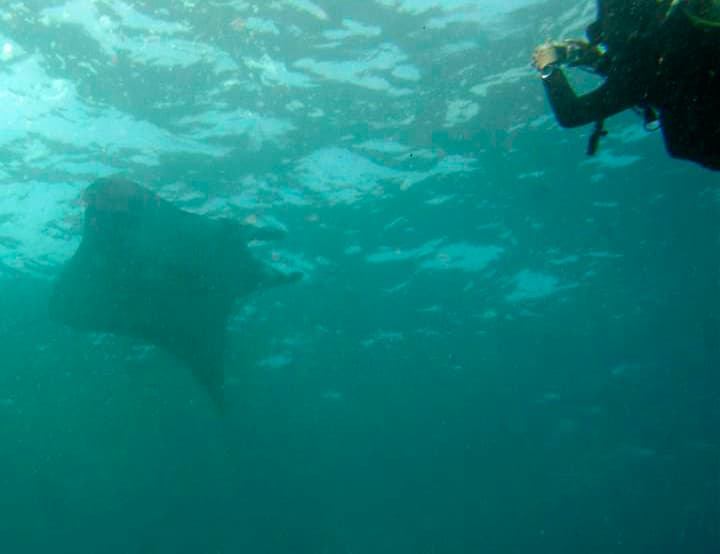
Bali & Nusa Penida, Indonesia
Mantas visit the cleaning stations here all year, sometimes in courtship 'manta trains' of up to 30.

Larnaca, Cyprus
Sunk on 7 June 1980 just 2 km from Larnaka harbour, the Zenobia lies at 16-42 m, where tame groupers and patrolling barracudas await.

Dahab, Egypt
Walk-in shore dive where holes and cracks hide morays, nudibranchs and scorpionfish, with a school of yellowtail barracuda at 7 m.
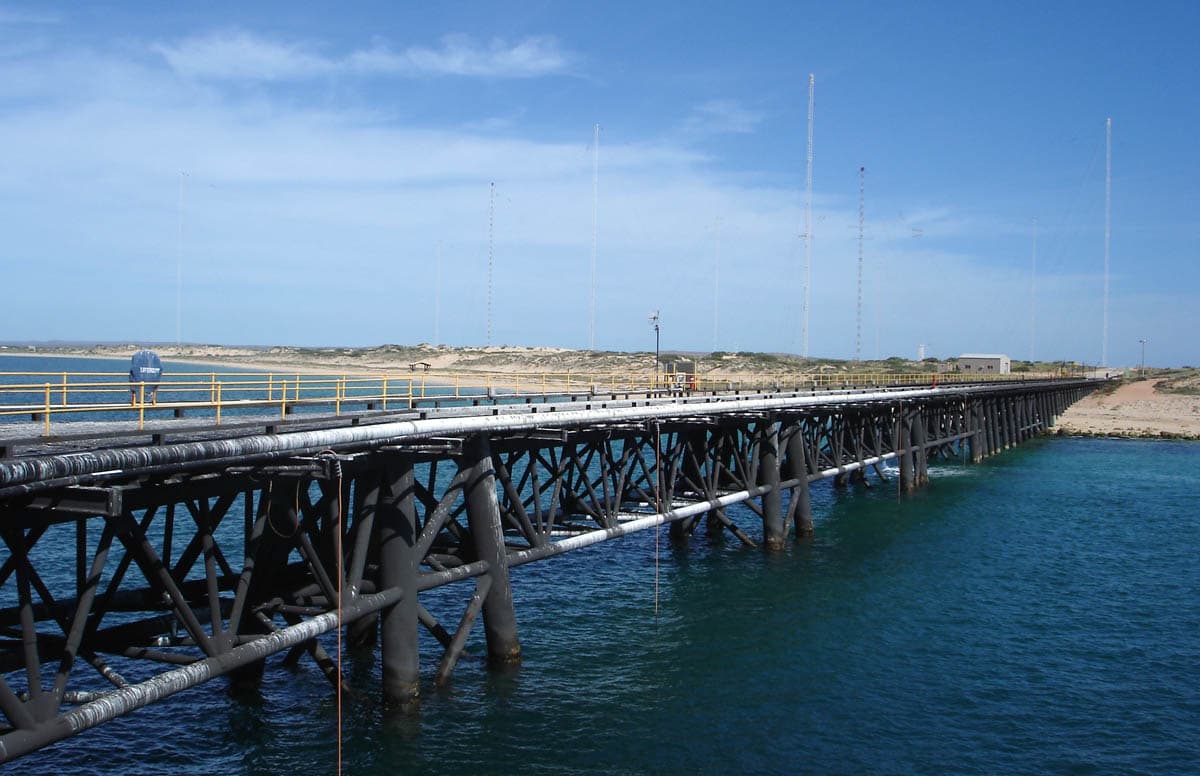
Ningaloo Reef, Australia
A working Navy pier dived only with a licensed operator, home to over 200 fish species from giant Queensland gropers to schooling trevally.

Bali & Nusa Penida, Indonesia
One of the few places to see Mola Mola being cleaned, from July to November, above hard and soft coral gardens.
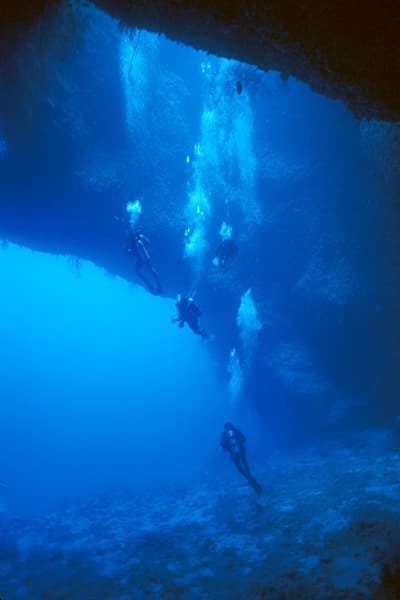
Palau
Drop through four reef-top holes into a large light-filled cavern, then swim 7–10 minutes on to Blue Corner.

Hurghada, Egypt
Abu Nuhas wreck whose engine room at 13 m allows easy penetration through clouds of glassfish.

Palau
A channel blasted through the reef where manta rays visit cleaning stations, with peak sightings from December to March.
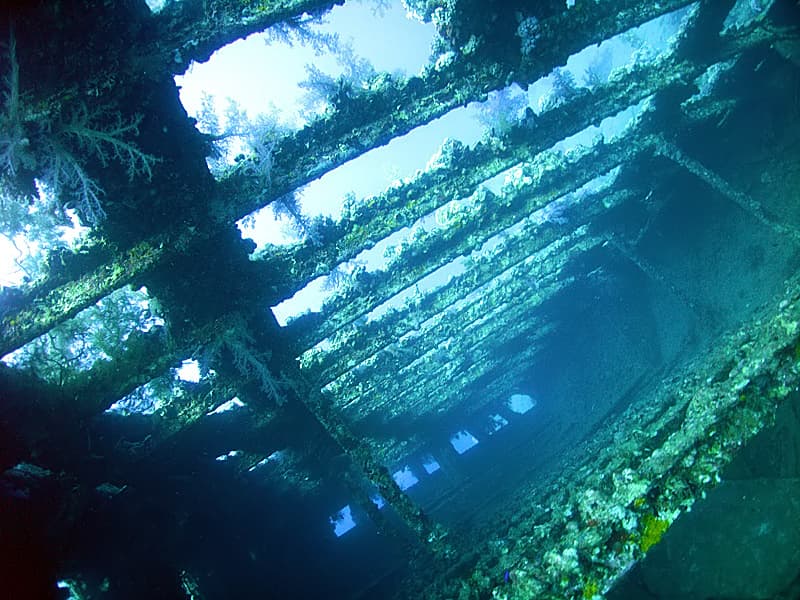
Hurghada, Egypt
Abu Nuhas wreck lying at 24 m parallel to the reef, home to sweepers, glassfish, batfish and nudibranchs.
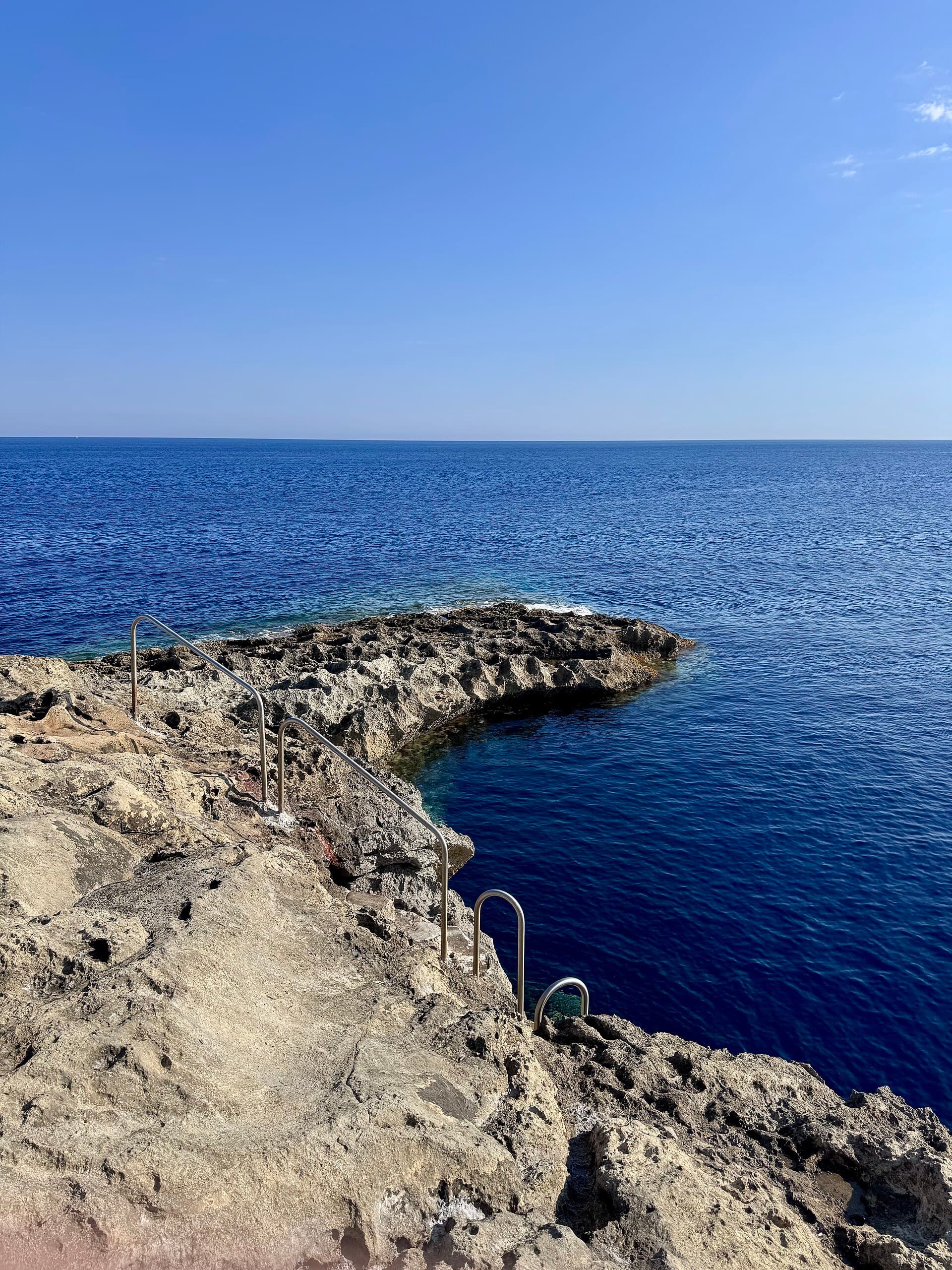
Malta, Gozo & Comino, Malta
A north Gozo shore dive with very good visibility and very large groupers, some over 1 m long.


