
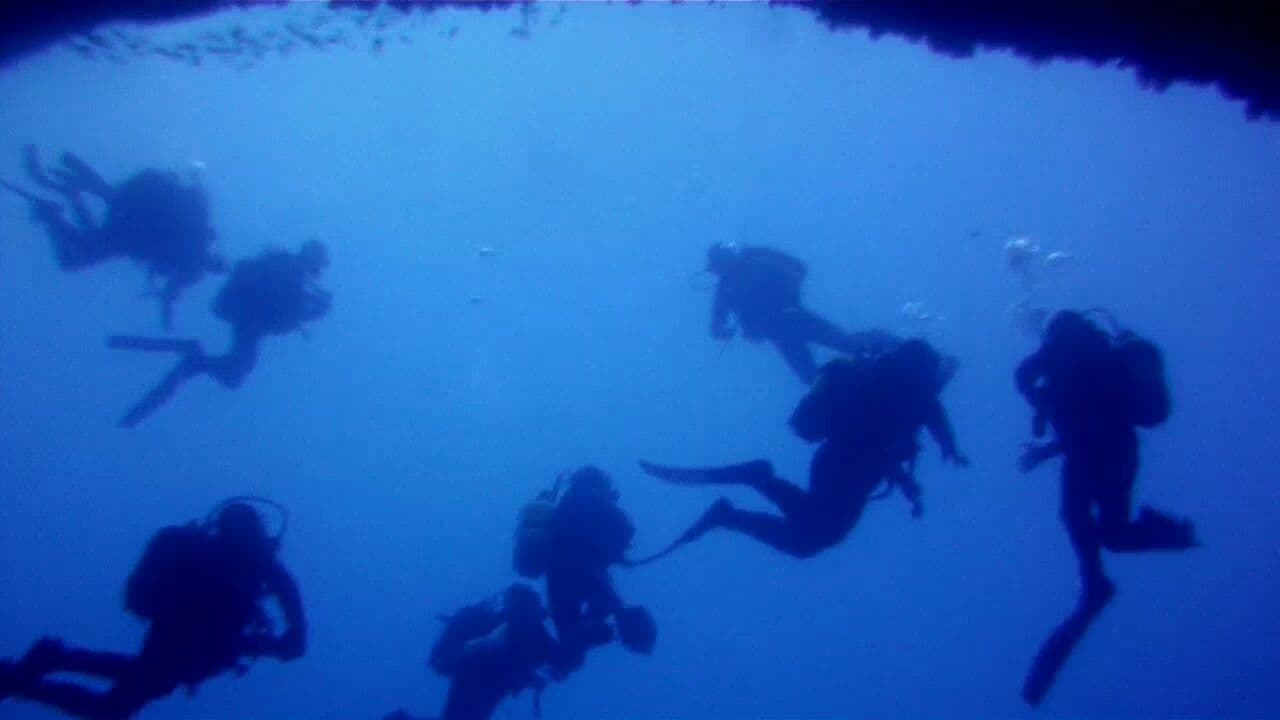
Coral Cave Gozo
Malta, Gozo & Comino, Malta
A large open cavern at Dwejra from 17 m to a 28-30 m seabed, its walls and ceiling covered in corals with slipper lobsters.
- Advanced
- Cavern
Dark: peak season. Light: regularly seen.
| Destination | Jan | Feb | Mar | Apr | May | Jun | Jul | Aug | Sep | Oct | Nov | Dec |
|---|---|---|---|---|---|---|---|---|---|---|---|---|
| Koh LipePeak Sep–Apr | ||||||||||||
| Jervis BayPeak Feb–Aug | ||||||||||||
| Lembeh StraitPeak Aug–Dec | ||||||||||||
| San Diego & La JollaPeak Nov–Mar | ||||||||||||
| West Corsica (Calvi, Scandola, Ajaccio)Peak Feb–Jun | ||||||||||||
| Dumaguete, Dauin & Apo IslandPeak Oct–Jan | ||||||||||||
| Eyre Peninsula (Port Lincoln)Peak May–Aug | ||||||||||||
| Los Angeles & Palos VerdesPeak Dec–Mar | ||||||||||||
| South Australia (Rapid Bay, jetties & Whyalla)Peak May–Aug | ||||||||||||
| SydneyPeak May–Aug | ||||||||||||
| Coffs Harbour (Solitary Islands)Peak Jun–Aug | ||||||||||||
| Nosy BePeak Oct–Dec | ||||||||||||
| Pembrokeshire & SkomerPeak May–Jun | ||||||||||||
| TiomanPeak Feb–Mar | ||||||||||||
| AnilaoAll year | ||||||||||||
| AqabaAll year | ||||||||||||
| La Paz & Sea of CortezAll year | ||||||||||||
| PondicherryAll year | ||||||||||||
| Okinawa & YonaguniDec–May | ||||||||||||
| Plymouth & South CornwallMar–Aug | ||||||||||||
| CreteApr–Jun | ||||||||||||
| Flower Garden BanksAug–Sep |
Sources confirm them, but don't say in which months.
Nudibranchs are sea slugs which, unlike snails, no longer have a shell for protection. Their colour patterns are a defence against fish, which appear to be their main predators. Some species carry distasteful or poisonous chemicals taken from the sponges they eat, which make them inedible to most fish.2
The pygmy seahorse Hippocampus bargibanti reaches a height of only about 24 mm and is a master of camouflage on its host sea fan. Frogfish, a family of anglerfishes, have rounded bodies, an enormous upturned mouth and a first dorsal spine modified into a fishing rod tipped with a lure. Most lie in wait for passing prey, clamber over the bottom on arm-like fins, and swallow prey whole at great speed.3,4
Muck diving is diving in sandy areas, usually without coral or other features, looking for unusual critters such as flamboyant cuttlefish or hairy frogfish. It is especially popular in Southeast Asia.1
The pygmy seahorse lives in the tropical West Pacific on coral reefs and reef slopes at 16 to 60 m, usually on gorgonian sea fans of the genus Muricella. Frogfish live in a wide range of habitats on shallow reefs, with the family recorded from 0 to 300 m.3,4
Bargibant's pygmy seahorse is listed as Least Concern on the IUCN Red List (assessed December 2023). The many other small species divers look for each have their own status, and we have not summarised them here.5
Research published in Scientific Reports found that flash photography did not harm seahorse eyes or reduce their hunting success, while touching had a very strong effect on seahorses, frogfishes and ghost pipefishes. The IUCN specialist group for seahorses, pipefishes and seadragons publishes a code of conduct for observing these animals; it says flash in moderation is acceptable and sets out the points below.6,7,8
Sources checked on 28 October 2026. Written from these pages and checked by an independent second reader.
Malta, Gozo & Comino, Malta
A large open cavern at Dwejra from 17 m to a 28-30 m seabed, its walls and ceiling covered in corals with slipper lobsters.
Bali & Nusa Penida, Indonesia
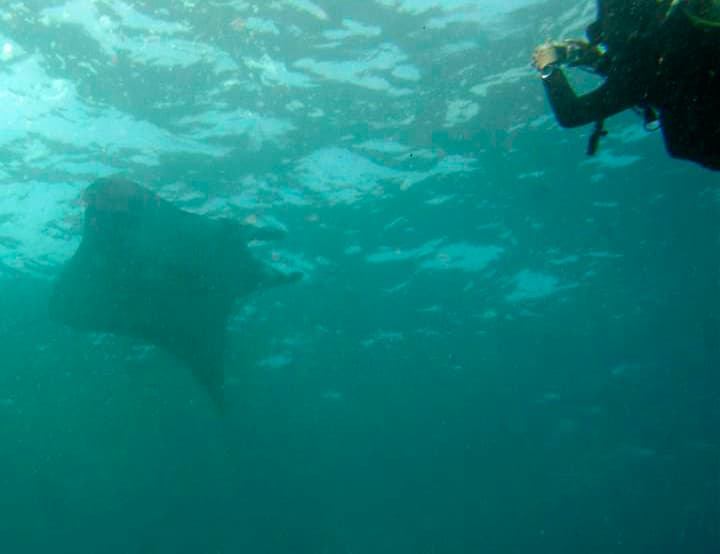
Mantas visit the cleaning stations here all year, sometimes in courtship 'manta trains' of up to 30.

Sharm El Sheikh & Ras Mohammed, Egypt
WWII supply ship bombed on 6 October 1941; holds still carry Bedford trucks and Norton and BSA motorcycles.

Bonaire
A 1984 cargo-ship wreck lying on its starboard side on a 30 m sandy plateau, its holds reachable through large openings.

Flower Garden Banks, United States
Siltstone pinnacles crusted with fire coral and sponges, home to the golden smooth trunkfish, found in only two places in the world.

Similan Islands & Khao Lak, Thailand
Schools of chevron barracuda overhead while tigertail seahorses, harlequin shrimps and ghost pipefish hide in fields of soft coral.
Sharm El Sheikh & Ras Mohammed, Egypt
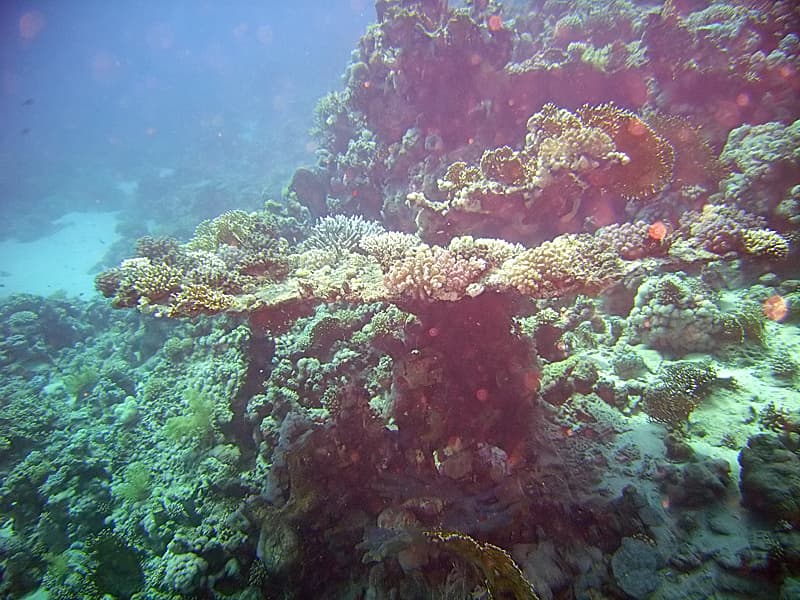
Ras Mohammed drift with sunlit swim-throughs at 5 and 15 m, then an alley of jackfish and whitetip reef sharks.

Larnaca, Cyprus
Sunk on 7 June 1980 just 2 km from Larnaka harbour, the Zenobia lies at 16-42 m, where tame groupers and patrolling barracudas await.

Malta, Gozo & Comino, Malta
Beneath the Dingli Cliffs, a wall dive with caves, caverns, overhangs and an archway, dropping beyond 60 m.
Martinique
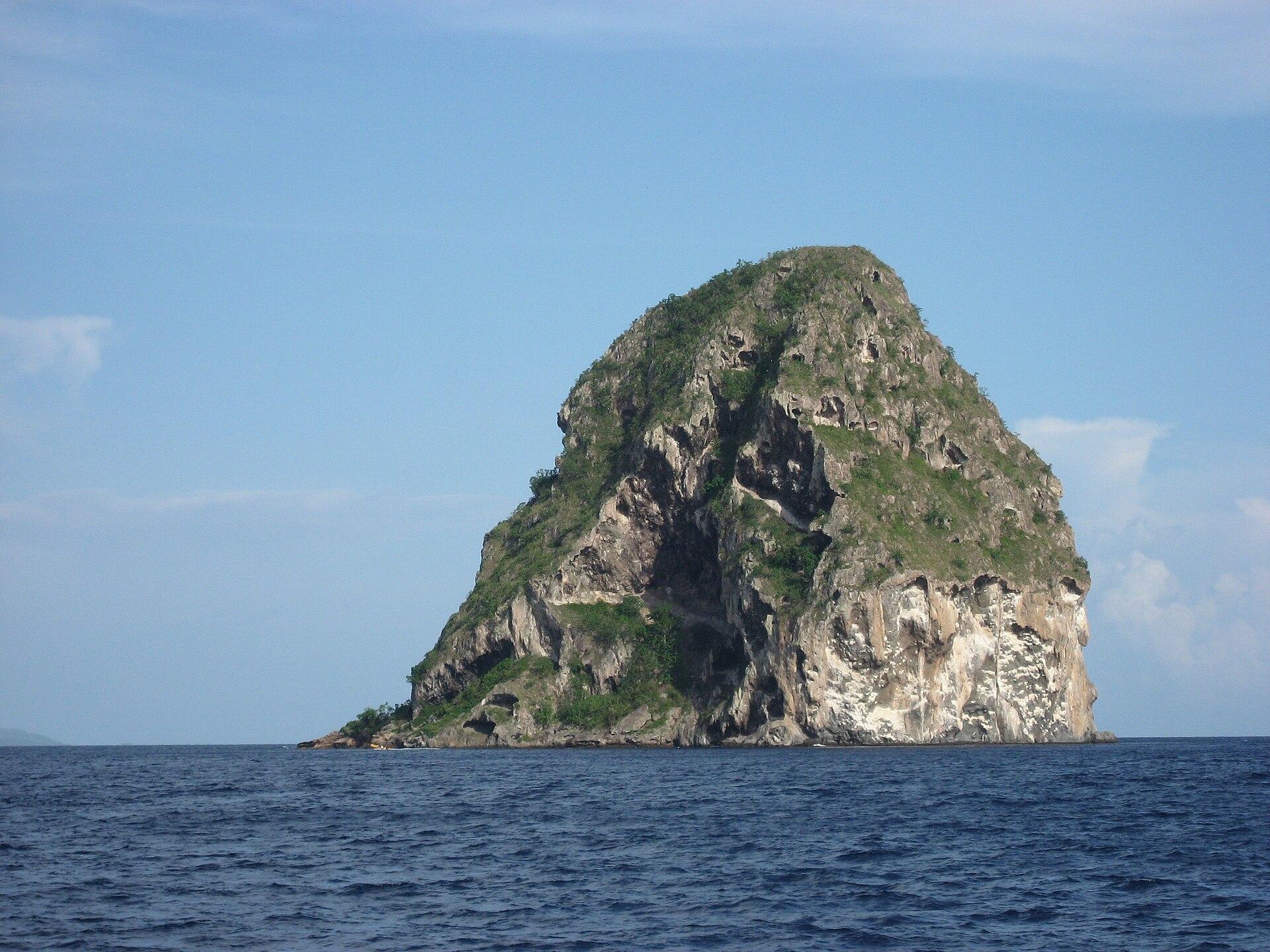
A narrow fault cutting down to about 20 m in the rock, patrolled by jacks, barracudas and mackerel, with Brazilian spiny lobsters.

Plymouth & South Cornwall, United Kingdom
A ship deliberately sunk for divers, now a 15 m debris field around an upright boiler with cuttlefish, tompot blennies and octopus.

Dahab, Egypt
Walk-in shore dive where holes and cracks hide morays, nudibranchs and scorpionfish, with a school of yellowtail barracuda at 7 m.


