

Darwin's Arch (Darwin's Towers)
Galápagos, Ecuador
Wall drift beside the pillars of the arch that collapsed in May 2021, with large numbers of hammerheads, silky and Galápagos sharks.
- Experienced
- Drift
- Whale sharks
Dark: peak season. Light: regularly seen.
| Destination | Jan | Feb | Mar | Apr | May | Jun | Jul | Aug | Sep | Oct | Nov | Dec |
|---|---|---|---|---|---|---|---|---|---|---|---|---|
| La Paz & Sea of CortezPeak Sep–May | ||||||||||||
| Jervis BayPeak Apr–Nov | ||||||||||||
| Los CabosPeak Nov–Apr | ||||||||||||
| Crystal River & Rainbow RiverPeak Nov–Mar | ||||||||||||
| Florida SpringsPeak Nov–Mar | ||||||||||||
| Saint-Martin / Sint MaartenPeak Dec–Apr | ||||||||||||
| Bohol & PanglaoPeak Mar–Jun | ||||||||||||
| Farne Islands & St AbbsPeak Aug–Nov | ||||||||||||
| Salish Sea (Vancouver, Victoria & Nanaimo)Peak Sep–Nov | ||||||||||||
| Narooma & Montague IslandPeak Sep–Oct | ||||||||||||
| Aliwal Shoal & Protea BanksAll year | ||||||||||||
| AzoresAll year | ||||||||||||
| Fakarava & RangiroaAll year | ||||||||||||
| Finistère (Brest, Crozon & Glénan)All year | ||||||||||||
| HurghadaAll year | ||||||||||||
| MayotteAll year | ||||||||||||
| Ningaloo ReefAll year | ||||||||||||
| PondicherryAll year | ||||||||||||
| Sodwana BayAll year | ||||||||||||
| Denmark (Øresund & Little Belt)Apr–Sep | ||||||||||||
| Campbell River & Quadra IslandJun–Aug | ||||||||||||
| Plymouth & South CornwallJun–Aug |
Sources confirm them, but don't say in which months.
The common bottlenose dolphin is 6 to 13 feet long. It travels alone or in groups that often split and reform, and finds prey by listening and by high-frequency echolocation.1
Seals, sea lions and walruses together form the pinnipeds, which divide their time between the shore and the sea. Sea lions and fur seals are eared seals: they have small external ear flaps and can rotate their hind flippers forward to walk on land. True seals have no external ears, and their hind flippers point straight back, so on land they move on their bellies. Sea lions are also noisier and more social than seals.4,5
Bottlenose dolphins live in temperate and tropical waters worldwide, both near the coast and offshore. In Hawaii, a NOAA rule restricts swimming with or approaching spinner dolphins near the main islands, and NOAA has also proposed closing some of their essential daytime habitats at set times.1,6
California sea lions live in coastal waters and haul out on beaches, docks, buoys and jetties; their breeding season runs from late June to early August. Seasons for seals vary by place: at Lundy in the UK, visitors are asked to keep away from seals and pups from 1 September to 30 November.7,8
On the IUCN Red List, the common bottlenose dolphin is Least Concern, confirmed in an updated assessment published in March 2019. The harbour seal is Least Concern (assessed 2016). The Galapagos sea lion is Endangered (assessed 2014).9,10,11
In the United States, bottlenose dolphins and California sea lions are protected under the Marine Mammal Protection Act.1,7
NOAA asks people to stay at least 50 yards from dolphins, seals and sea lions, limit viewing to 30 minutes, and not swim with, touch or try to interact with marine mammals in the wild. In Hawaii it is illegal to swim with or approach within 50 yards of a spinner dolphin within 2 nautical miles of the main islands.2,6
Where in-water seal encounters happen, the Cornwall Seal Group Research Trust's UK guidance advises letting the seal make the first move; an Isle of Man seal code similarly says not to approach or chase seals.3,12
Sources checked on 28 October 2026. Written from these pages and checked by an independent second reader.
Galápagos, Ecuador
Wall drift beside the pillars of the arch that collapsed in May 2021, with large numbers of hammerheads, silky and Galápagos sharks.

Komodo, Indonesia
North Komodo site where grey, whitetip and blacktip reef sharks cruise the blue alongside big schools of giant trevally, dogtooth tuna and barracuda.

Plymouth & South Cornwall, United Kingdom
A beach dive on the Lizard where gullies and kelp shelter anemones, urchins, cuttlefish and occasionally John Dory.
Channel Islands & Catalina, United States
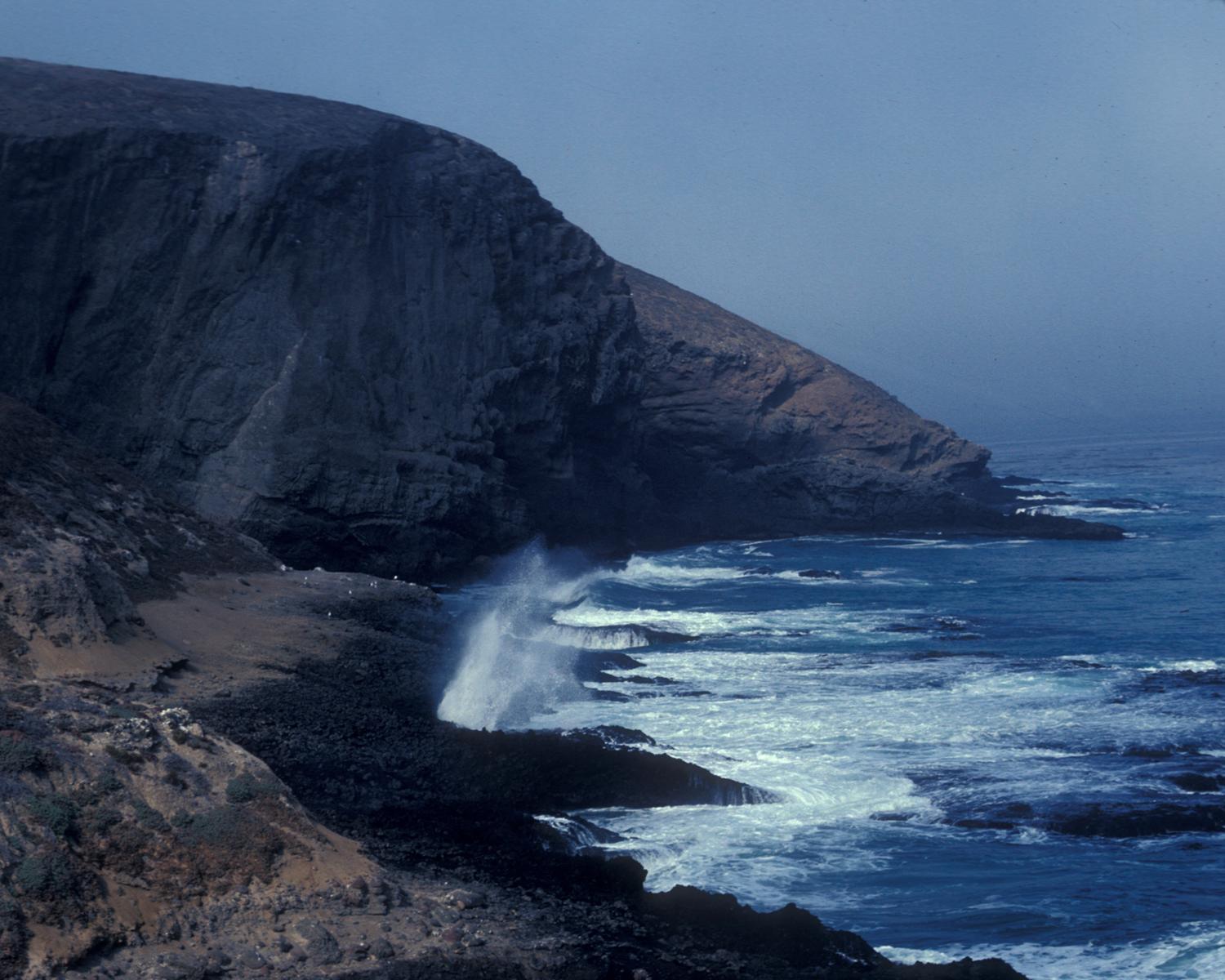
Shallow kelp site off Santa Barbara Island where California sea lion pups play in the kelp beds among hundreds of pinnipeds.

Monterey & Carmel, United States
Point Lobos' calm entry cove: an amber kelp forest where light shafts reveal massive lingcod and mischievous harbor seals tug at fins.

Monterey & Carmel, United States
A calm, protected sand-beach entry on Cannery Row leading to a giant kelp bed where sea otters are common and old sardine pipes shelter rockfish.

Bali & Nusa Penida, Indonesia
A shallow bay with a manta cleaning station at 13 m, where Dive Concepts quotes a 95% chance of mantas year-round.

Marsa Alam & the Brothers, Egypt
A bay with an easy sandy entrance leading to north and south reef dives, where dolphins can turn up on early-morning dives.

San Diego & La Jolla, United States

Galápagos, Ecuador
Medes Islands (Costa Brava), Spain

Hurghada, Egypt
Reef whose lagoon is home to many bottlenose dolphins; it is not uncommon for a pod to join the dive.


