
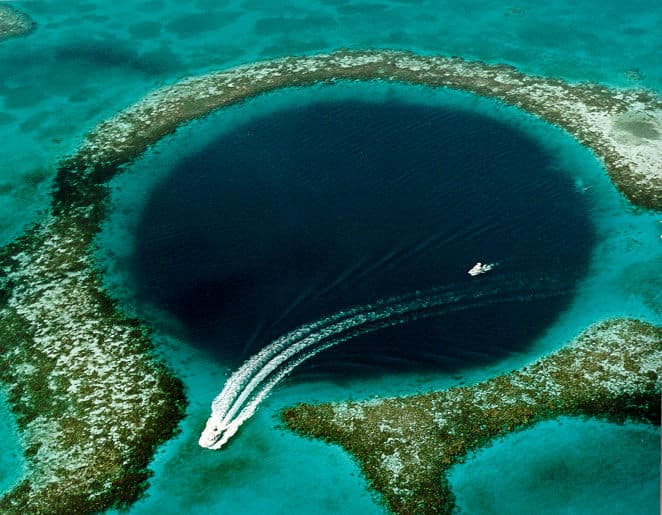
Great Blue Hole
Belize
A deep dive to about 30-40 m among stalactites under the overhangs, watching for nurse, Caribbean reef and blacktip sharks on the ascent.
- Experienced
- Blue hole
- Blacktip shark
Dark: peak season. Light: regularly seen.
| Destination | Jan | Feb | Mar | Apr | May | Jun | Jul | Aug | Sep | Oct | Nov | Dec |
|---|---|---|---|---|---|---|---|---|---|---|---|---|
| Cocos IslandPeak Jun–Dec | ||||||||||||
| Okinawa & YonaguniPeak Dec–May | ||||||||||||
| GalápagosPeak Jun–Oct | ||||||||||||
| BahamasPeak Nov–Mar | ||||||||||||
| Marsa Alam & the BrothersPeak Jun–Oct | ||||||||||||
| Sharm El Sheikh & Ras MohammedPeak Jun–Sep | ||||||||||||
| Fakarava & RangiroaPeak Jan–Mar | ||||||||||||
| Socorro (Revillagigedo)Peak Jan–Mar | ||||||||||||
| Aliwal Shoal & Protea BanksAll year | ||||||||||||
| MaldivesAll year | ||||||||||||
| KomodoJul–Sep | ||||||||||||
| Kona (Big Island)Jan–Mar | ||||||||||||
| Bohol & PanglaoFeb–Mar | ||||||||||||
| La Paz & Sea of CortezSep–Oct |
Sources confirm them, but don't say in which months.
The hammer-shaped head, called a cephalofoil, is the trait that sets these sharks apart. In the great hammerhead the front edge of the head is straight and square to the body.1,4
NOAA Fisheries gives the scalloped hammerhead's size as up to 11 feet and 335 pounds, and an Australian fisheries report gives a maximum of 346 cm total length. The great hammerhead is much bigger, reaching 550 to 610 cm, though about 400 cm is more typical for a mature adult.1,2,3
Scalloped hammerheads live in coastal warm temperate and tropical seas worldwide, from the intertidal zone to at least 275 metres deep. The species is known for gathering in large schools, a habit that also makes it more vulnerable to fisheries.1,2
A tracking study at Cocos Island in the eastern Pacific found that scalloped hammerheads form large aggregations around the island, mostly by day, leaving around dusk and returning near dawn, presumably to feed in open water at night. Sharks there regularly pass through permanent cleaning stations, and fewer were present early in the year, especially in March.5
The great hammerhead is a coastal-pelagic and semi-oceanic shark found in warm temperate and tropical waters, from near the surface to over 80 metres. It is generally solitary, and some populations migrate seasonally towards cooler waters.3,4
Both main species are listed as Critically Endangered globally on the IUCN Red List, according to Australian government shark reports that cite the assessments; the scalloped hammerhead assessment is credited to Rigby and colleagues in 2019. In Australian waters both are assessed as Endangered.2,3
In the United States, the Eastern Pacific and Eastern Atlantic populations of the scalloped hammerhead are listed as endangered under the Endangered Species Act, and two other populations as threatened.1
We found no code of conduct written specifically for hammerheads. General guidelines for diving with sharks from the ReefQuest Centre for Shark Research advise letting a shark approach on its own terms, keeping still, ideally on or near the bottom, and staying close to your buddy.6
Sources checked on 28 October 2026. Written from these pages and checked by an independent second reader.
Belize
A deep dive to about 30-40 m among stalactites under the overhangs, watching for nurse, Caribbean reef and blacktip sharks on the ascent.
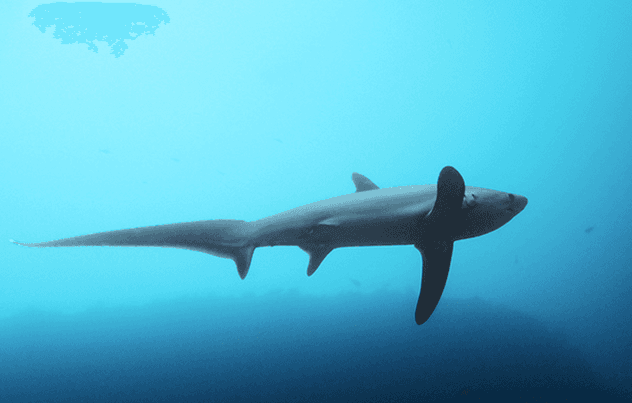
Malapascua, Philippines
A plateau where thresher sharks rise at dawn to visit cleaning stations.
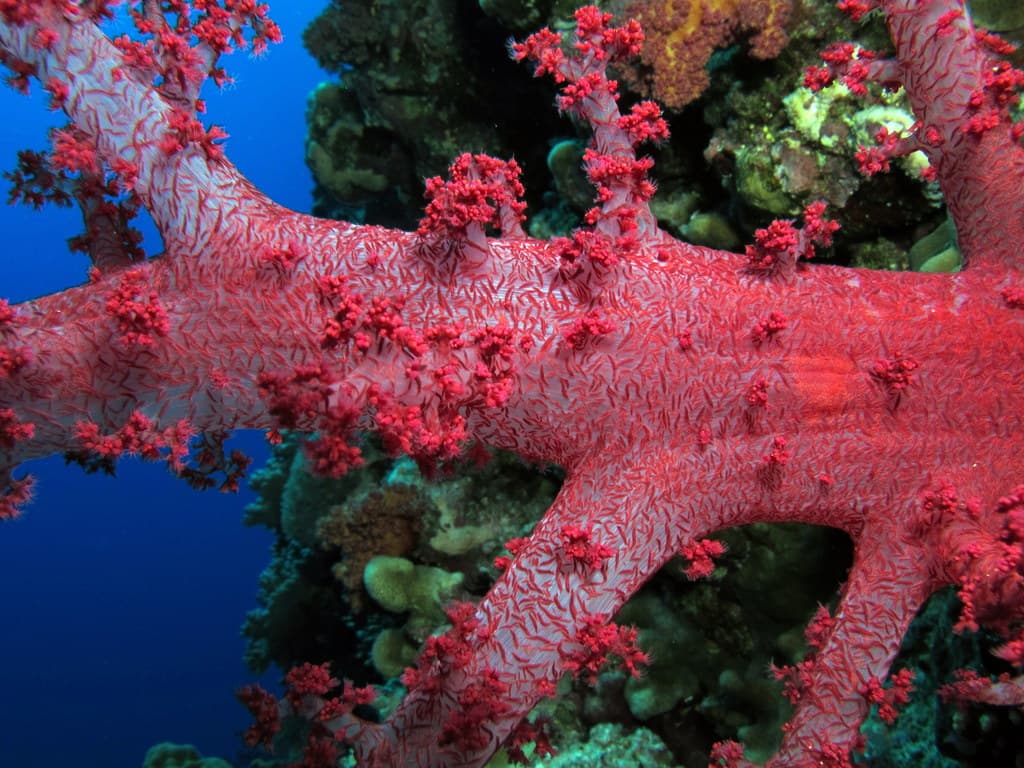
Marsa Alam & the Brothers, Egypt
Open-ocean reef 25 km north of Marsa Alam where oceanic whitetips frequent the southern plateau, best October to December.

Aliwal Shoal & Protea Banks, South Africa
In raggie season up to 40 ragged-tooth sharks rest in this reef amphitheatre; in summer, look out for hammerheads above.

Bahamas
Kneel on shallow sand about 20 miles off West End to watch tiger sharks, some females up to 4.5 m long, alongside lemon sharks.

Galápagos, Ecuador
Wall drift beside the pillars of the arch that collapsed in May 2021, with large numbers of hammerheads, silky and Galápagos sharks.
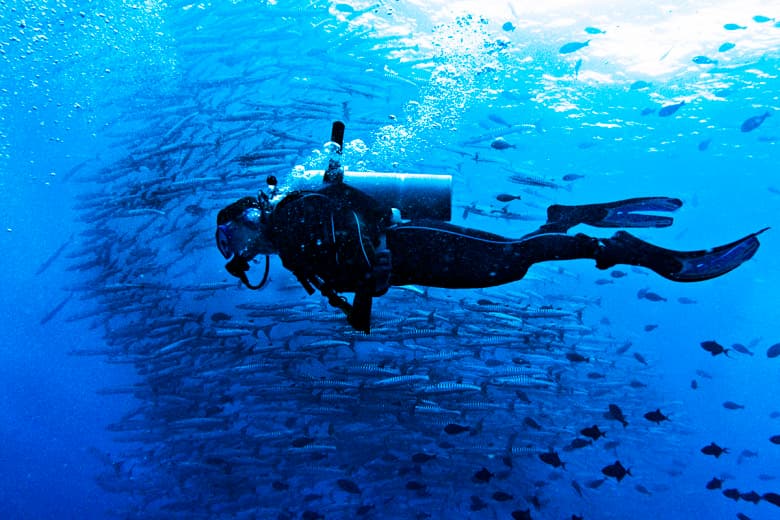
Sipadan & Semporna, Malaysia
On Sipadan's north coast, divers can end up in the middle of a swirling vortex of chevron or blacktail barracuda.

Palau
Hook in above the wall and watch resident grey and whitetip reef sharks, tuna and barracuda work the current.

Marsa Alam & the Brothers, Egypt
Sheer coral walls plus two wrecks, the Numidia and Aida, with a chance of thresher sharks on dawn dives in autumn and winter.

Marsa Alam & the Brothers, Egypt
Lighthouse reef 80 km off Marsa Alam, only reached by liveaboard, where schooling hammerheads gather, especially in summer.

Azores, Portugal
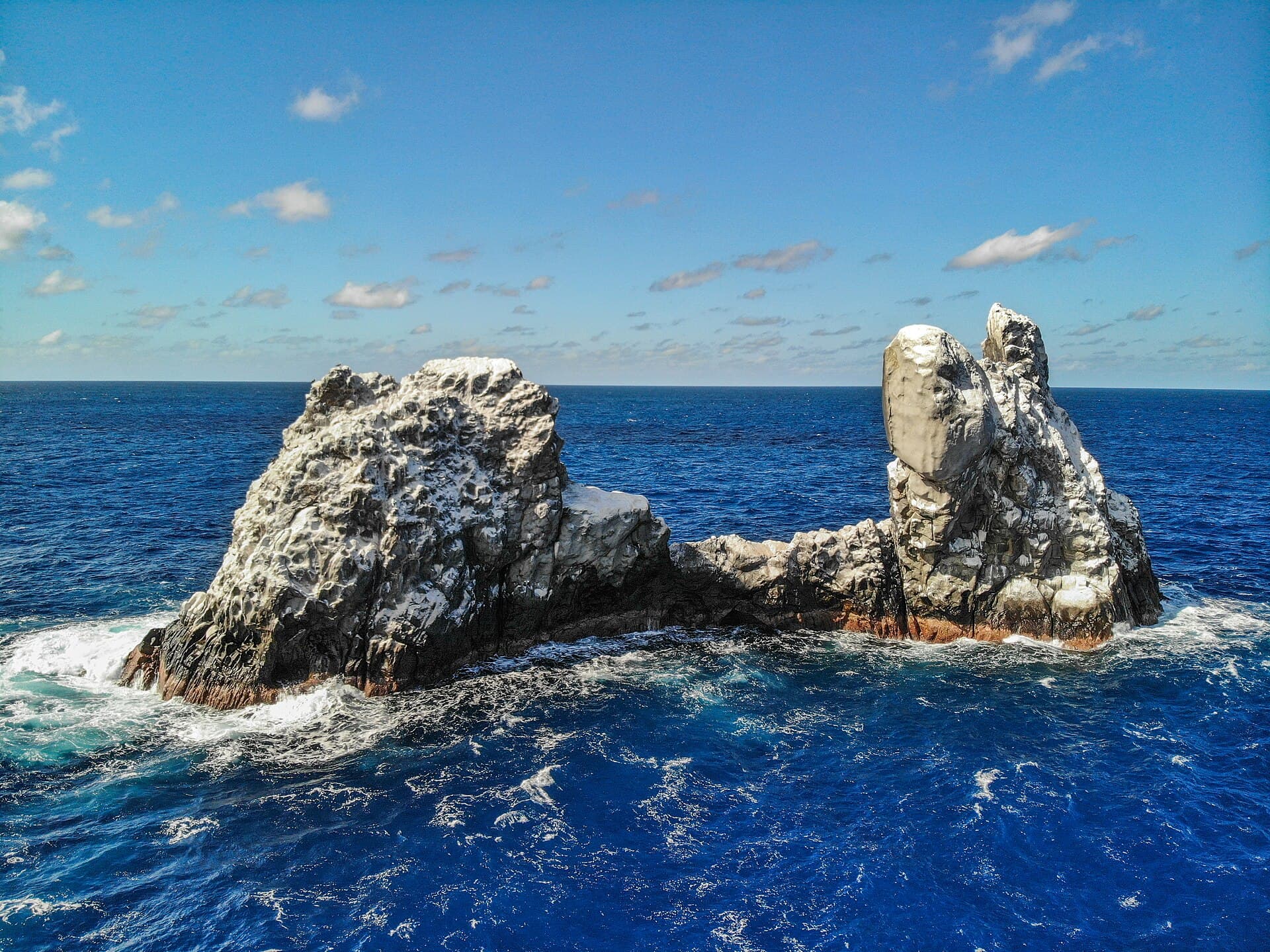
Socorro (Revillagigedo), Mexico
A split-rock pinnacle where whitetip reef sharks pack into crevices while silky and Galapagos sharks cruise the blue.


