

East Flower Garden Bank
Flower Garden Banks, United States
Brain and star corals give this offshore salt-dome bank over 52% coral cover, rising 15-20 feet above nearby sand patches in some areas.
- Advanced
- Reef
- Whale sharks
Dark: peak season. Light: regularly seen.
Sources confirm them, but don't say in which months.
Whale sharks can reach about 18 metres in length, although those seen at Ningaloo in Western Australia are generally between 2 and 12 metres. Despite their size they are harmless filter feeders that cruise the oceans looking for plankton, and they have also been seen feeding on fish spawn and baitfish.1,2
Each shark's pattern of spots is unique and can be used, like a fingerprint, to identify individuals.1
Whale sharks are found around the tropics, from roughly 30 degrees north to 35 degrees south, in both coastal and oceanic waters. They live from the surface down to dives of at least 1,900 metres.1,3
Whale sharks gather to feed in large numbers in certain places when plankton is seasonally abundant. At Ningaloo in Western Australia, for example, they are most reliably seen from March to July.1,2
The whale shark is listed as Endangered on the IUCN Red List, with a decreasing population. The Convention on Migratory Species cites the 2016 assessment by Pierce and Norman, and notes that tourism can add risks such as boat strikes, crowding and provisioning.1,3
Rules differ between places. In Western Australia, swimmers must stay at least 3 metres from the head or body and 4 metres from the tail, and no more than 10 people may be in the water at once. The Galapagos Whale Shark Project code asks for 3 metres from the side, 5 metres from the head and 4 metres from the tail. Check the code that applies where you swim.2,4
Sources checked on 28 October 2026. Written from these pages and checked by an independent second reader.
Flower Garden Banks, United States
Brain and star corals give this offshore salt-dome bank over 52% coral cover, rising 15-20 feet above nearby sand patches in some areas.

Similan Islands & Khao Lak, Thailand
Schools of chevron barracuda overhead while tigertail seahorses, harlequin shrimps and ghost pipefish hide in fields of soft coral.

Flower Garden Banks, United States
Siltstone pinnacles crusted with fire coral and sponges, home to the golden smooth trunkfish, found in only two places in the world.

Dahab, Egypt
Walk-in shore dive where holes and cracks hide morays, nudibranchs and scorpionfish, with a school of yellowtail barracuda at 7 m.

Palau
Hook in above the wall and watch resident grey and whitetip reef sharks, tuna and barracuda work the current.

Koh Tao, Thailand
Granite pinnacle 12 km northwest of Koh Tao, the site where Black Turtle Dive logs its most whale shark sightings, amid huge schools of trevally and snapper.

Moalboal, Philippines
A sardine ball that spreads from 2 to about 15 m off Panagsama Beach, hunted by mackerels and tuna, with a thresher shark if you are lucky.

Galápagos, Ecuador
Wall drift beside the pillars of the arch that collapsed in May 2021, with large numbers of hammerheads, silky and Galápagos sharks.

Guam
A vertical shaft from 18 m with a window onto the wall at about 40 m, and visibility that can reach 30 m or more.

Phuket & Koh Lanta, Thailand
One of Thailand's top sites for whale sharks and manta rays, with a wall at the south end dropping to about 70 m.

Bali & Nusa Penida, Indonesia
One of the few places to see Mola Mola being cleaned, from July to November, above hard and soft coral gardens.
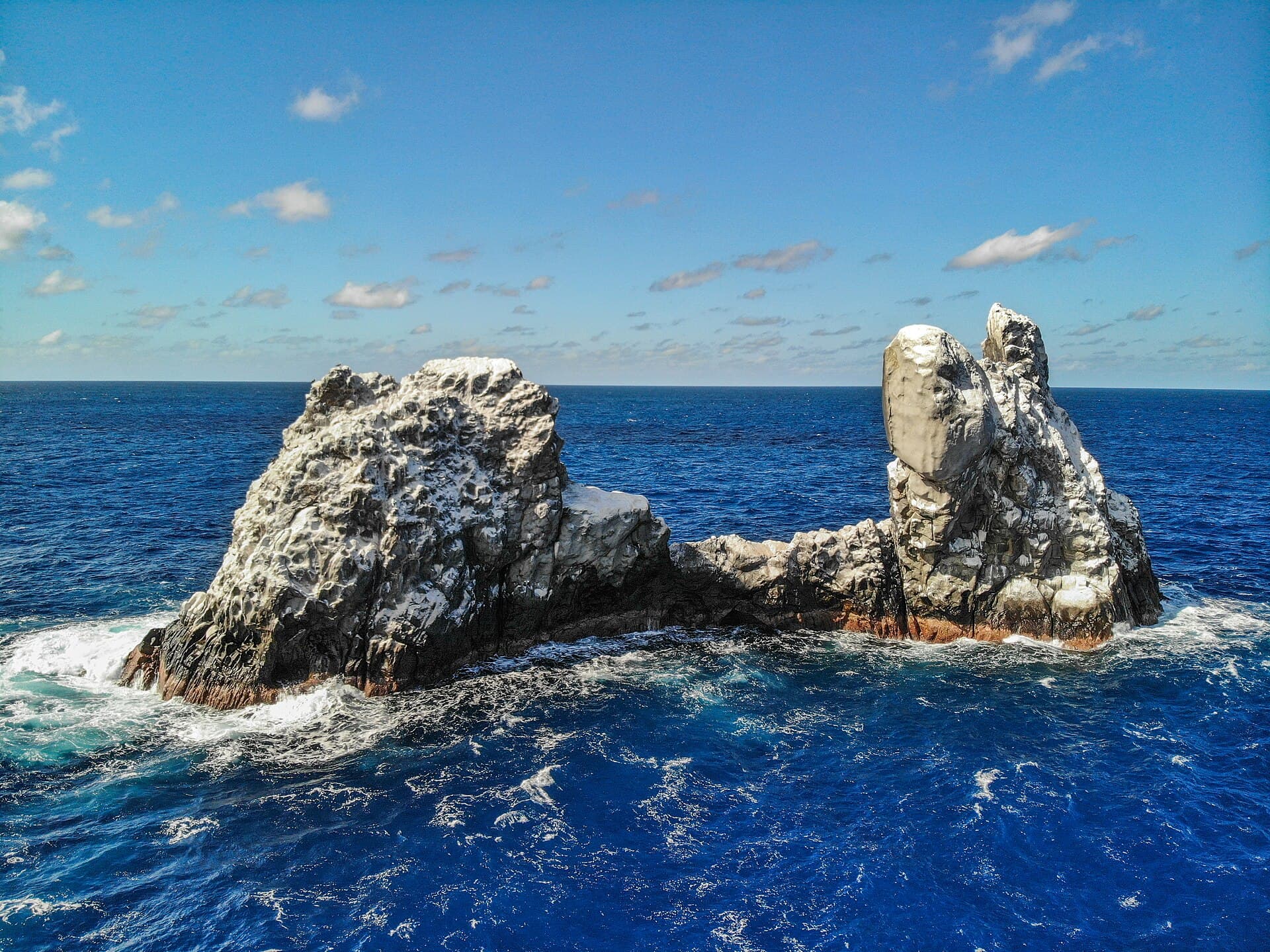
Socorro (Revillagigedo), Mexico
A split-rock pinnacle where whitetip reef sharks pack into crevices while silky and Galapagos sharks cruise the blue.


