
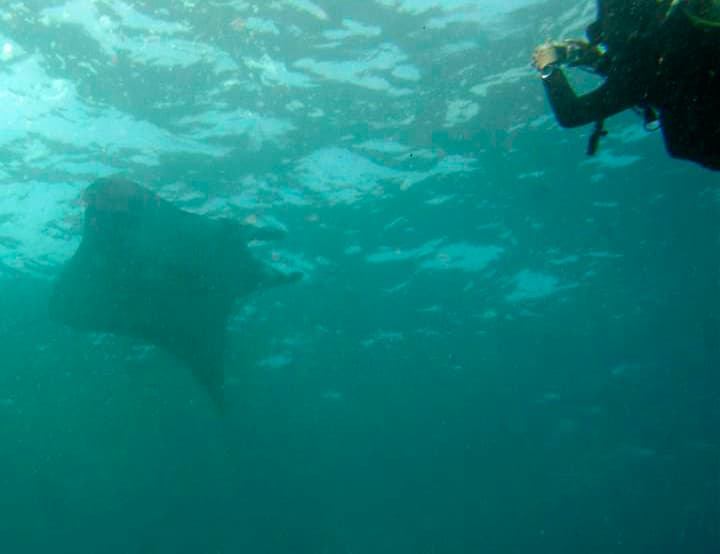
Manta Point
Bali & Nusa Penida, Indonesia
Mantas visit the cleaning stations here all year, sometimes in courtship 'manta trains' of up to 30.
- Advanced
- Rock formations
- Manta rays
Dark: peak season. Light: regularly seen.
| Destination | Jan | Feb | Mar | Apr | May | Jun | Jul | Aug | Sep | Oct | Nov | Dec |
|---|---|---|---|---|---|---|---|---|---|---|---|---|
| Lembeh StraitPeak Aug–Dec | ||||||||||||
| Dumaguete, Dauin & Apo IslandPeak Oct–Jan | ||||||||||||
| AnilaoAll year | ||||||||||||
| AqabaAll year | ||||||||||||
| La Paz & Sea of CortezAll year | ||||||||||||
| Okinawa & YonaguniDec–May | ||||||||||||
| Plymouth & South CornwallMar–Aug |
Sources confirm them, but don't say in which months.
Cephalopods are a class of marine molluscs that includes squid, cuttlefish, octopuses and nautiloids. Octopuses have eight arms, while squid and cuttlefish have eight arms and two tentacles. All can change colour quickly using tiny pigment-filled sacs in the skin.1
Sizes vary widely. Male giant Australian cuttlefish can reach 50 cm and about 10 kg. The mimic octopus grows to about 24 inches (around 60 cm) and imitates animals such as lionfish, sea snakes and jellyfish. Blue-ringed octopuses are small, with the Australian Museum giving 4.5 cm for the blue-lined octopus; they are brown until disturbed, when their blue markings appear as a warning.2,3,4
The mimic octopus lives in shallow Indo-Pacific waters, foraging by day on open sand flats; it was first found in 1998 off Sulawesi, Indonesia. The blue-lined octopus lives on intertidal rocky shores and in coastal waters to 15 m, hiding under ledges and in crevices.3,4
Giant Australian cuttlefish gather each winter to spawn at Point Lowly in northern Spencer Gulf, South Australia, the only known site where they form large breeding groups; in most years they number in the tens of thousands. Numbers vary a lot: surveys by the South Australian Research and Development Institute (SARDI) recorded a high of 247,000 in 2020 and a low of 13,500 in 2013, and in late June 2026 survey divers encountered fewer than 50.2,5
The giant Australian cuttlefish, Sepia apama, is listed as Near Threatened on the IUCN Red List, in an assessment dated 11 March 2009 (as reproduced by SeaLifeBase). National Geographic's fact page lists the mimic octopus as not evaluated. South Australian law prohibits taking cuttlefish in northern Spencer Gulf. After numbers fell in 2026, a temporary 90-day exclusion zone from 1 July 2026 (to about late September 2026) banned recreational swimming, snorkelling, diving and anchoring in part of the Upper Spencer Gulf Marine Park, including the sanctuary zone between Black Point and Stony Point.3,5,6,7
There is no cephalopod-specific code of conduct here. The Coral Reef Alliance's general diving guidelines ask divers to stay neutrally buoyant at all times, not to touch or handle marine life, and never to chase or harass it. For the blue-lined octopus, a blue-ringed species, this is also a safety point: the Australian Museum describes it as shy and non-aggressive, and says it may bite only when picked up, injecting a paralysing venom, tetrodotoxin, which has caused several deaths in Australia.4,8
Sources checked on 28 October 2026. Written from these pages and checked by an independent second reader.
Bali & Nusa Penida, Indonesia
Mantas visit the cleaning stations here all year, sometimes in courtship 'manta trains' of up to 30.

Similan Islands & Khao Lak, Thailand
Schools of chevron barracuda overhead while tigertail seahorses, harlequin shrimps and ghost pipefish hide in fields of soft coral.

Moalboal, Philippines
A sardine ball that spreads from 2 to about 15 m off Panagsama Beach, hunted by mackerels and tuna, with a thresher shark if you are lucky.

Malta, Gozo & Comino, Malta
Beneath the Dingli Cliffs, a wall dive with caves, caverns, overhangs and an archway, dropping beyond 60 m.
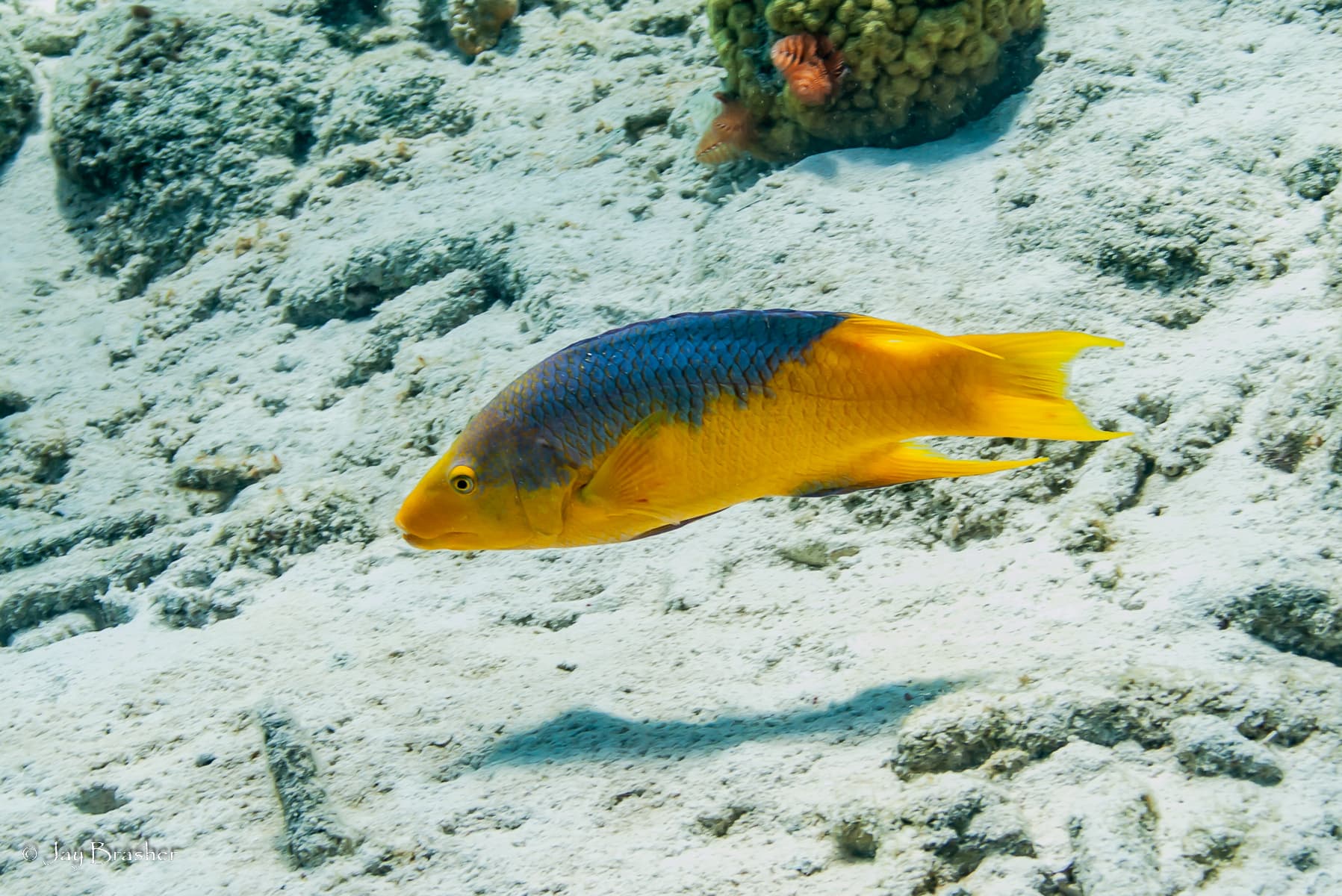
Bonaire
Buddy Dive Resort's house reef, perfect for beginners, where black crinoids perch on coral heads and a resident tarpon greets most night divers.
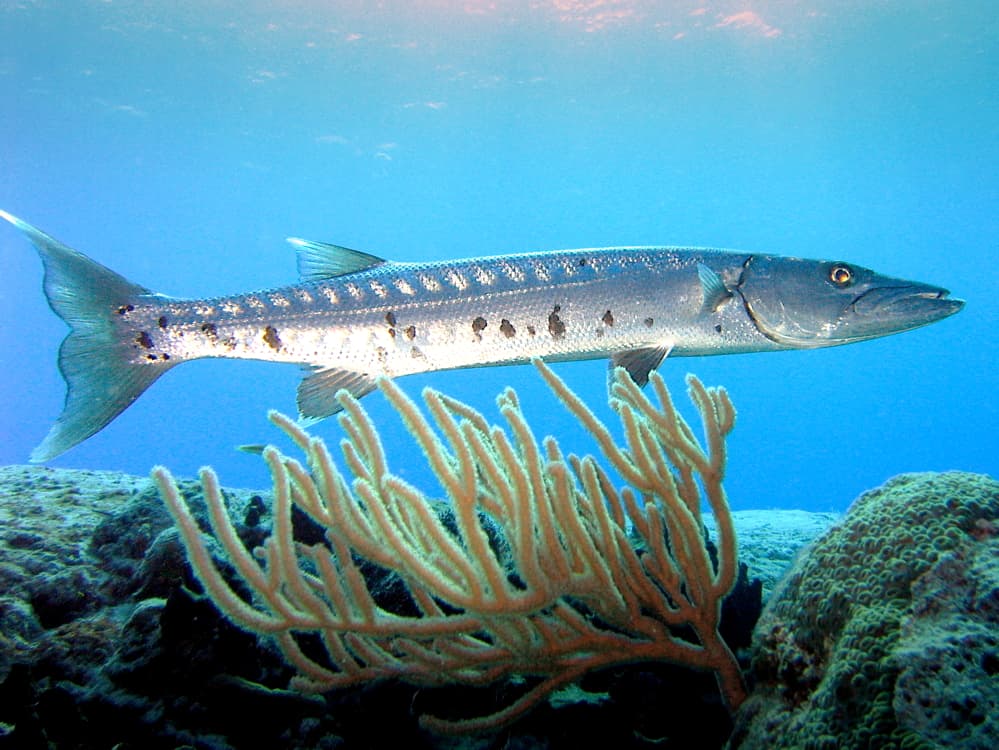
Cozumel, Mexico
Three long coral ridges in mild current off Marina Caleta, popular for night dives; look out for toadfish.

Hurghada, Egypt
Abu Nuhas wreck whose engine room at 13 m allows easy penetration through clouds of glassfish.

Coron, Philippines
A marine-sanctuary reef of table and staghorn corals where turtles, Napoleon wrasse and mandarinfish can be seen.
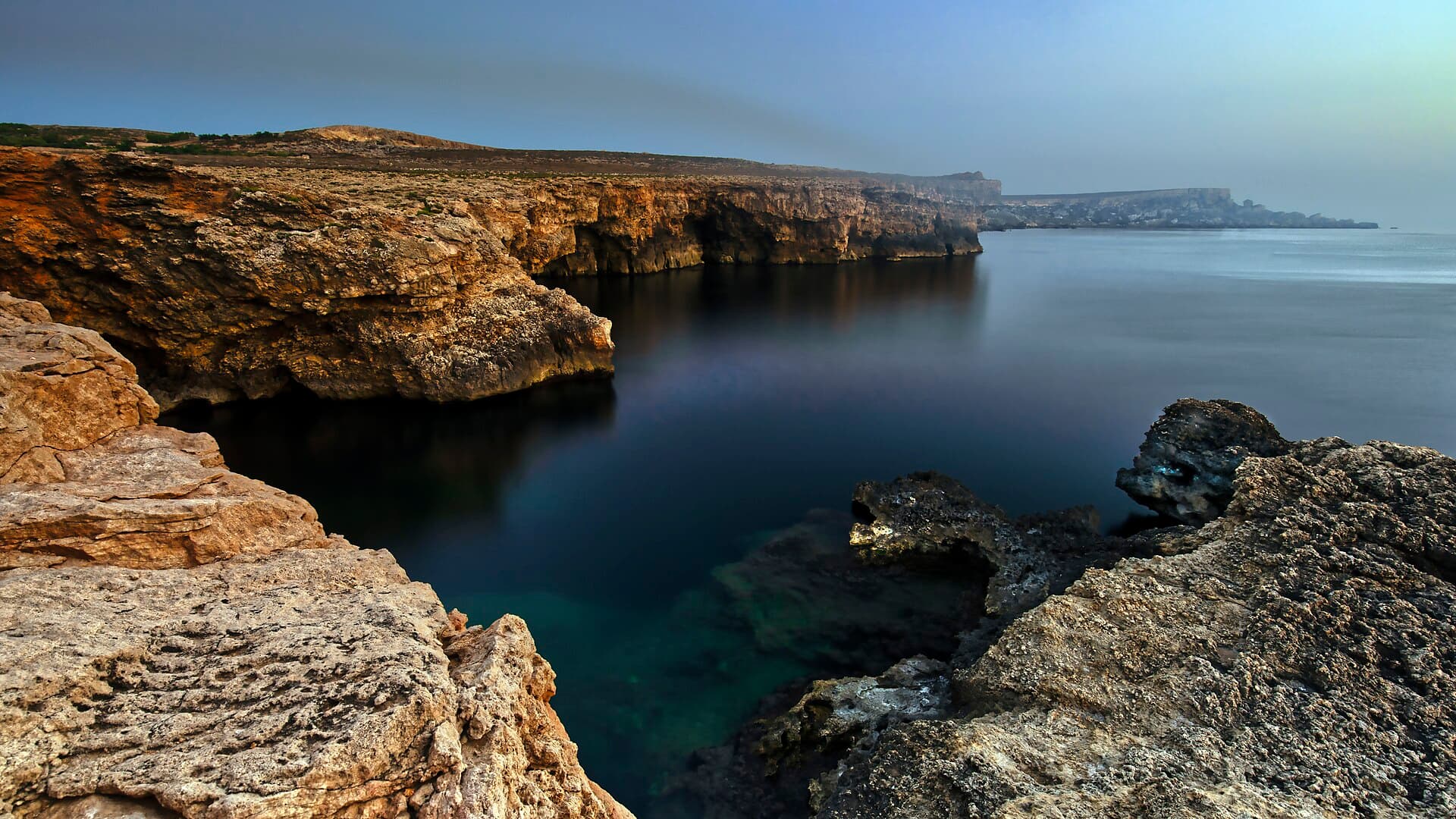
Malta, Gozo & Comino, Malta
Cavern
down to 35 m
Nha Trang, Vietnam
Two rock peaks breaking the surface, with swim-throughs and caves filled with glassfish and hiding many small critters.
Reef
down to 16 m
Andaman Islands (Havelock & Neil), India
A sheltered shore-entry bay averaging about 8 m with very little current, where frogfish and octopus live on the reef.
Pinnacle
down to 34 m
Malapascua, Philippines
Rocky pinnacle from 14 m to 34 m north of the port, where tide changes bring intermediate to strong current.


