Reef
down to 17 m
Caieiras
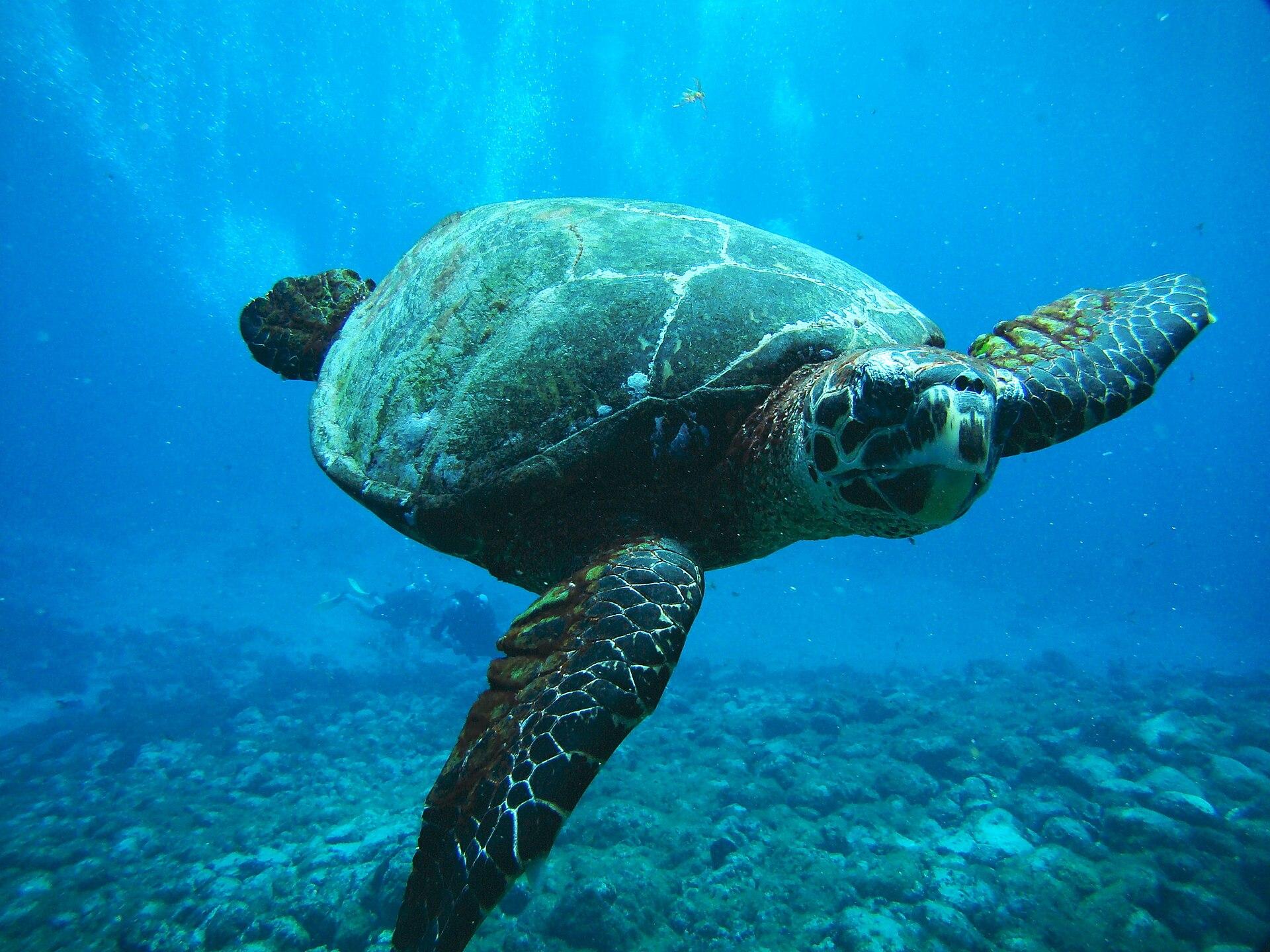
A 17 m dive between three rock formations that is a resting and feeding area for sea turtles.
- Open Water
- Turtles
Diving in Brazil
12 documented dive sites, 5 of them for Open Water divers. Known for nurse sharks, reef sharks and dolphins.
Pick a month: the diving season, from published sources, and the typical weather.
Pick a month
Typical weather, not a forecast: averages for 2021–2025 (air, rain, wind), data from Open-Meteo (ERA5 / Copernicus, Météo-France). Covers an area of roughly 10 to 25 km around the destination.
Diving runs year-round. Atlantis Divers (local operator) names March–July as the best time (calm seas on both sides of the island), August/September as the windy period with rougher sea and lower visibility, and late December–January as rough on the Mar de Dentro side (dives continue on the Mar de Fora side). PADI and a Brazilian travel blog say visibility is best in September–October; because the local operator flags September as windy, September is shown as good and October as best (when sources disagree we keep the more cautious reading). Nov–Feb is shown as good (no source calls them best; late Dec–Jan rough on the inner side).
Source: reservas.atlantisdivers.com.br
Underwater visibility
A Noronha dive centre says visibility averages 25-40 m. In the windy August-September season the sea is rougher and suspended particles can reduce visibility. March to July, when both sides of the island are usually calm, is one of the best times to dive.
A few snorkelling spots
The national park's official site lists several snorkelling pools and bays - Atalaia and Abreu (booking, life jacket, mask and snorkel compulsory), Baía dos Porcos and Praia do Leão - with strict rules; swimming is banned in Dolphin Bay and currently at Sueste.
From the easiest to the most demanding. Levels with a dashed outline are estimates we are still verifying.
Rock formations
down to 17 m
Rock corridors, canyons and arches around 15 m, with barracudas, rays, turtles and lobsters.
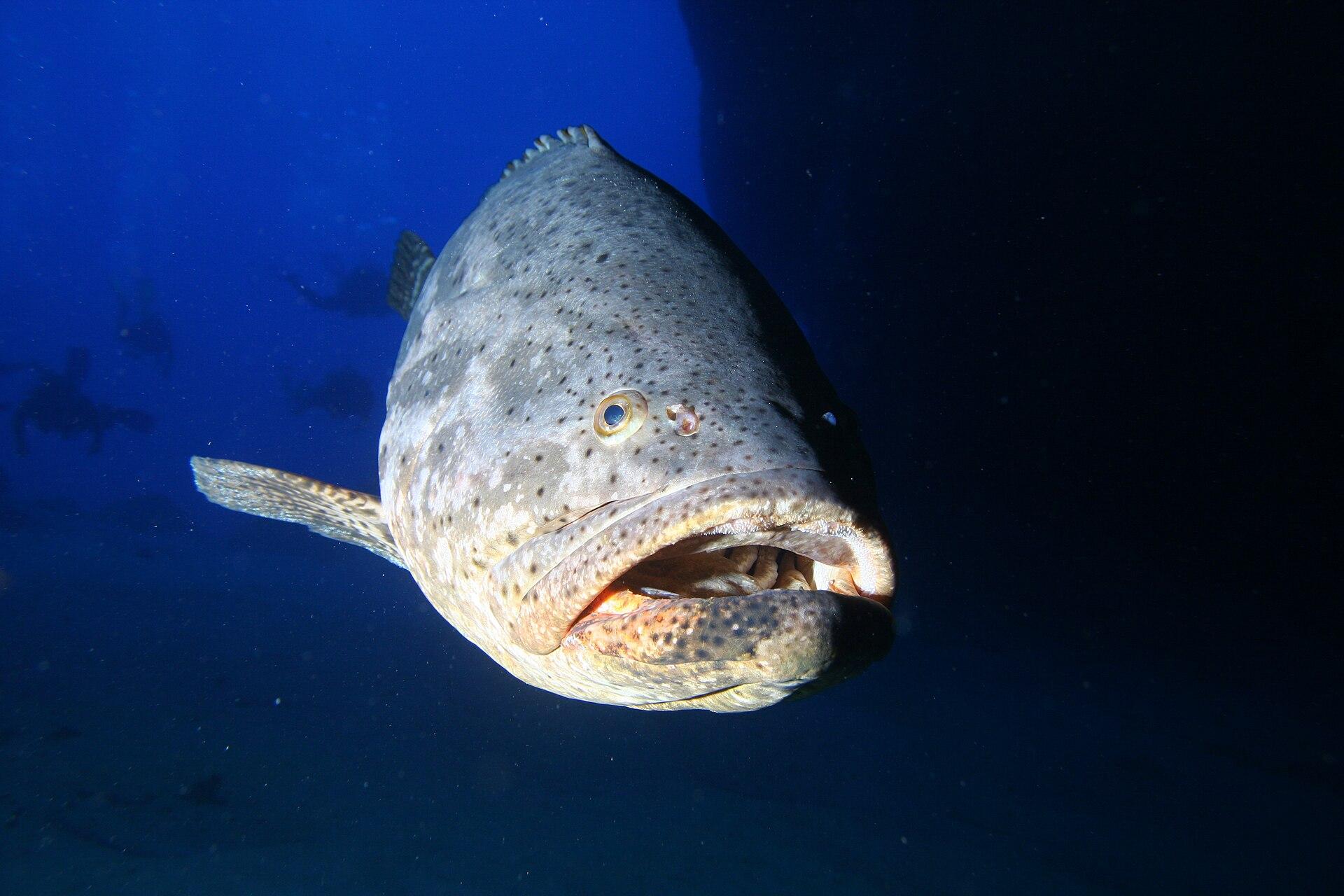
The Sapata caverns are singled out as a hotspot for large rays.
Reef
down to 24 m
Pinnacle
down to 33 m
When the big encounters happen, month by month.
Reported here, season not documented yet:
Dives, try dives and courses: the price ranges we found at local dive centres.
The cheapest and the most expensive of the dive centres we checked, from the prices on their own websites in October 2026. Prices change: confirm with the centre before booking.
Converted to euros at the ECB reference rate of 30 October 2026; for currencies the ECB does not publish, the official rate of the country's central bank.
Centres that dive here, with what their own websites say: agencies, trips, courses.
Atlantis Divers
Vila dos Remédios, Fernando de Noronha
Activity not confirmed for 2026: the centre's own website shows no dated 2025–2026 content. source
Noronha Diver
Vila dos Remédios (Porto / Praia do Cachorro), Fernando de Noronha
Activity not confirmed for 2026: the centre's own website shows no dated 2025–2026 content. source
Agencies: NAUI, PADI, SDI
Águas Claras
Fernando de Noronha
Activity not confirmed for 2026: the centre's own website shows no dated 2025–2026 content. source
Listed alphabetically. No centre pays to appear here or to change the order. Criteria: its own website, dives in this area and proof of activity since 2025 (otherwise a notice says so); every detail comes from the centre's own site. Run a centre and spotted an error? Write to contact@reef-explorers.com.
The recompression chambers that treat divers from this area, and who to call after an accident. Check locally: a chamber can close.
Hyperbaric chamber on Fernando de Noronha operated by the Anema association (activated via Hospital São Lucas)
Fernando de Noronha, Brazil
Source: itatiaia.com.br (to confirm)About this page
Last updated .
Seasons and marine life come from the sources below. Site levels and depths marked as estimated come from our original catalogue and are being checked one by one. Conditions change: always confirm with a local dive centre.
One email a month, around the 25th: the destinations in season the following month, with their sources, an article to read and an instructor's tip. Free, no ads.

Your next dive is somewhere out there.
Find my next dive trip