

Andrea II
Shore-dive coral garden with large shallow coral formations and Reef Renewal Foundation coral trees planted to help restore the reef.
- Open Water
- Reef
- Turtles
29 documented dive sites, 13 of them for Open Water divers. Known for turtles, eagle rays and stingrays.
Pick a month: the diving season, from published sources, and the typical weather.
Pick a month
The warmest water of the year.
Typical weather, not a forecast: averages for 2021–2025 (air, rain, wind) and 2023–2025 (sea), data from Open-Meteo (ERA5 / Copernicus, Météo-France). Covers an area of roughly 10 to 25 km around the destination.
Peak season Dec–Jun. Below the hurricane belt, but the Caribbean storm season (peak Aug–Nov) can affect conditions.
From the easiest to the most demanding. Levels with a dashed outline are estimates we are still verifying.
Shore-dive coral garden with large shallow coral formations and Reef Renewal Foundation coral trees planted to help restore the reef.
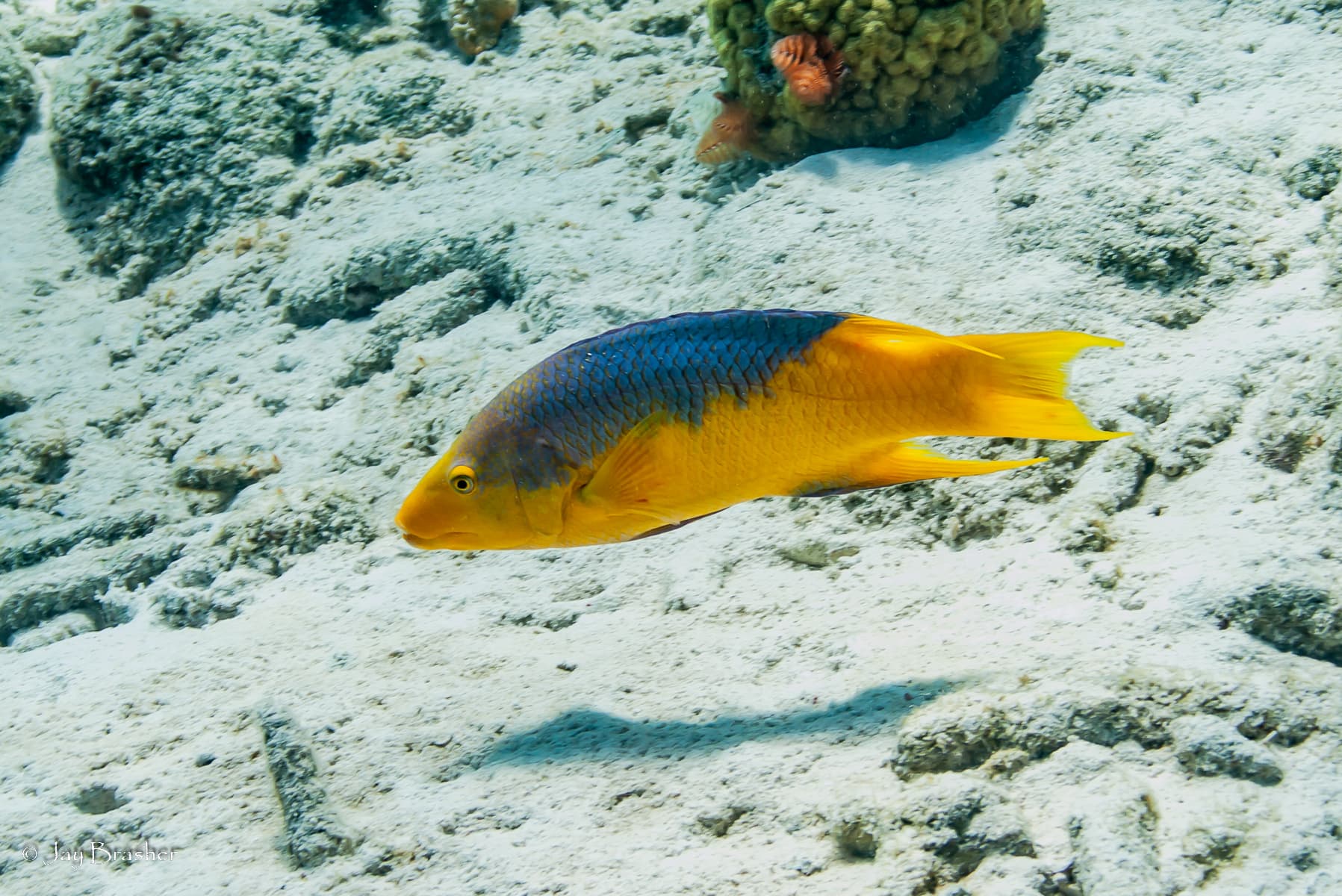
Buddy Dive Resort's house reef, perfect for beginners, where black crinoids perch on coral heads and a resident tarpon greets most night divers.
Reef
down to 32 m
Popular stretch of reef named after a Bonaire National Marine Park manager, and a good spot for seahorses and turtles.

Reef
down to 30 m
Named #1 in the entire Caribbean for fish diversity, with over 300 species surveyed here through REEF.
Reef
down to 30 m
Simple Kralendijk shore dive used for courses and great for night dives, when even eagle rays visit.
Reef
down to 40 m
Yellow-stone shore dive where schools of barracuda hunt on the reef and eels and octopuses hide among the corals.
Reef
down to 27 m
Double reef where southern stingrays and spotted eagle rays are often seen on the sand, and tarpon have been seen sleeping by day.

A 1984 cargo-ship wreck lying on its starboard side on a 30 m sandy plateau, its holds reachable through large openings.

Washington Slagbaai National Park site where horse-eye jacks cruise the blue and the shallows teem with small, curious fish.

Part of Bonaire's southern double reef system, with a good chance of seeing turtles and eagle rays.
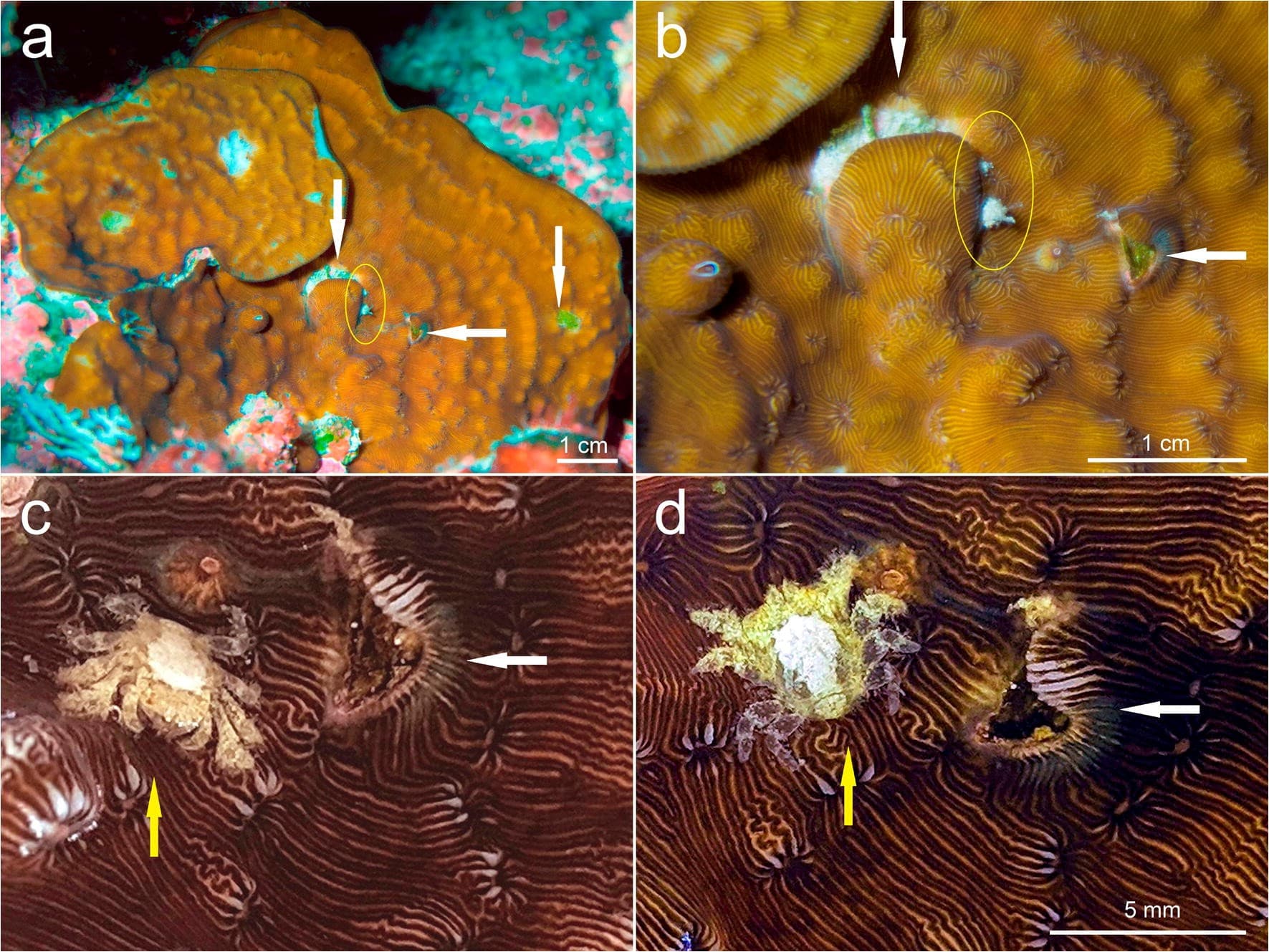
Advanced-only site at Bonaire's southern tip with lots of schooling fish, lobsters under the corals and the occasional turtle or tarpon.
Reef
down to 40 m
East-coast reef for experienced divers with a guide, where turtles, eagle rays and moray eels thrive and large schools including tarpon roam.
Reef
down to 45 m
East-coast reef hole about 120 by 75 m with a white sand floor, home to large tarpons, with turtles and rays nearby.
When the big encounters happen, month by month.
| Species | Jan | Feb | Mar | Apr | May | Jun | Jul | Aug | Sep | Oct | Nov | Dec |
|---|---|---|---|---|---|---|---|---|---|---|---|---|
| TurtlesSource: blog.padi.com |
Turtles: All year
Also reported here, season not documented yet:
Bonaire is one of the busiest dive hubs in the world. These destinations dive in a similar way and see far fewer divers: Grenada, Roatán & Bay Islands and Fernando de Noronha.
See all alternatives to Bonaire →About this page
Seasons and marine life come from the sources below. Site levels and depths marked as estimated come from our original catalogue and are being checked one by one. Conditions change: always confirm with a local dive centre.

Your next dive is somewhere out there.
Find my next dive trip.jpeg)
.jpg)

_(15545031938).jpg)
.jpg)
.jpg)
_Figure_1.jpg)
.jpg)