Chesil Cove
Shore dive down ledges from 3 to 18 m off Chesil's pebble bank, with cuttlefish, wrasse, pipefish and the remains of a landing craft and the Royal Adelaide.
- Open Water
- Wreck
- Rays

Dive site in Dorset (Portland & Swanage), United Kingdom
A 1903 passenger liner torpedoed by UB-57 in 1918, lying off Swanage from about 23 m to the seabed; one of Dorset's most popular wrecks.
Photo: I've Got It On Film!, CC BY 2.0, via Wikimedia Commons
Built in Scotland in 1903 as a cargo and passenger liner, the Kyarra was sunk by UB-57 near Swanage in 1918. A Kingston and Elmbridge BSAC member found the wreck in the late 1960s and later bought it.
Source: poolediving.uk
A wreck dive from a boat.
Recommended minimum: Advanced (PADI Advanced Open Water, N2).
Best months: May–Oct.
Source: travel.padi.comPrices found at the area's dive centres, not specific to this site. Details and sources
The point shows the Dorset (Portland & Swanage) area, not the exact dive site.
Shore dive down ledges from 3 to 18 m off Chesil's pebble bank, with cuttlefish, wrasse, pipefish and the remains of a landing craft and the Royal Adelaide.
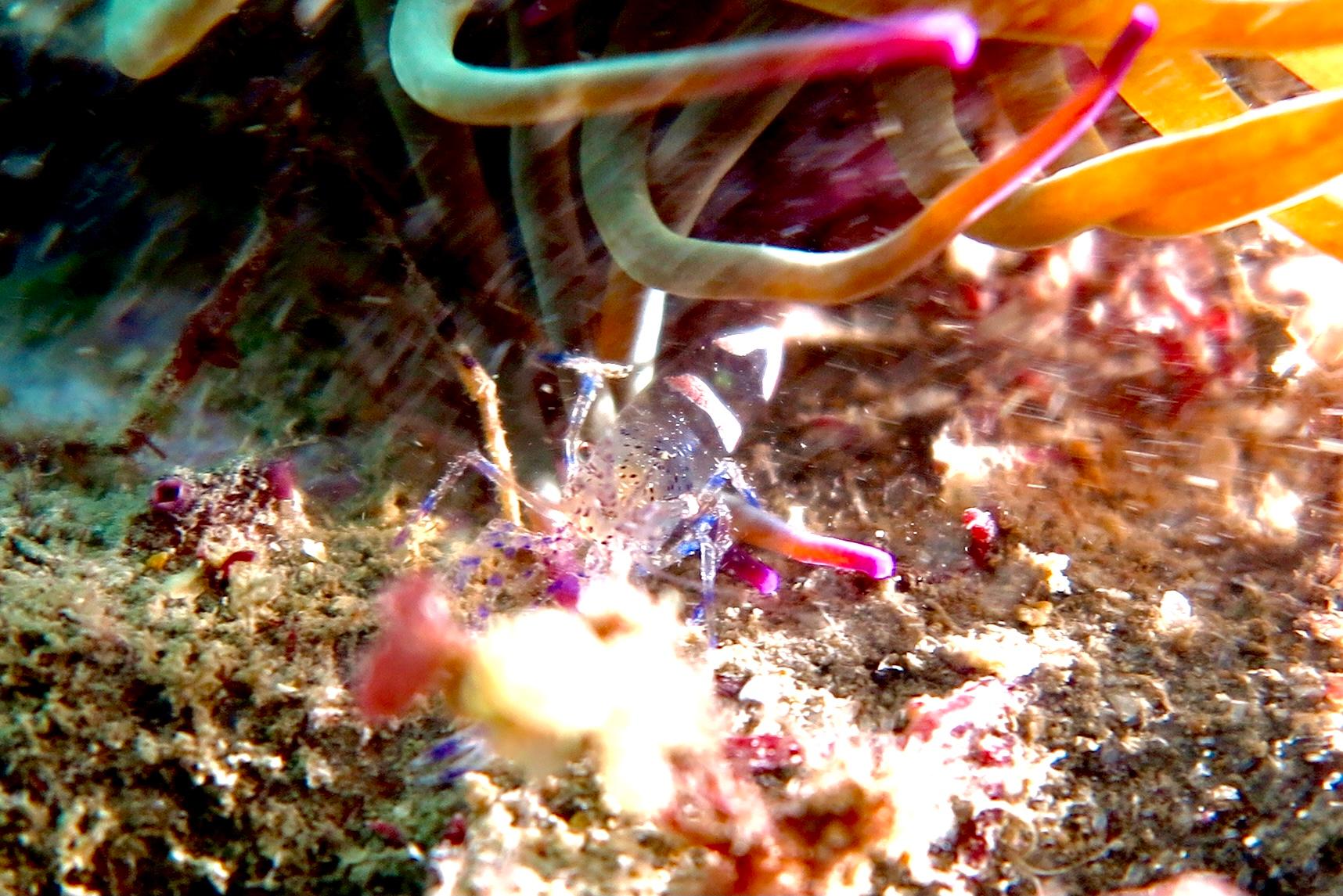
A shallow shore dive under Swanage Pier, its support struts covered in weed and kelp and home to blennies, wrasse, juvenile pollock and spider crabs.
Artificial reef
down to 14 m
An artificial dive park in Balaclava Bay at 10-14 m with a mock Roman temple, statues, a 3 m shark sculpture and Admiralty anchors.
Wreck
down to 30 m
A 1979 cargo-ship wreck lying on its port side in 29 m, with most of the hull intact and the holds still full of cargo.
Wreck
down to 24 m
An upright 1892 steamer in 24 m about 5 miles east of Swanage, lost under tow in 1926 after striking Prawle Point.
Wreck
down to 16 m
An upright 1868 paddle-steamer in Portland Harbour at 16 m max, with an accessible deck and holds where spider crabs and wrasse live.
About this page
Last updated .
Values marked “Estimated” come from our original catalogue and are being checked against published sources one by one. Sourced values link to where they come from. Conditions change with the season, the weather and the tide: confirm with a local dive centre before you dive.